Cervical Spondylosis in China: Diagnosis and Treatment Consensus
The Chinese consensus explains that neck pain and related symptoms arise from age-related disc changes, and favors accurate diagnosis and conservative care before surgery.
What Is Cervical Spondylosis
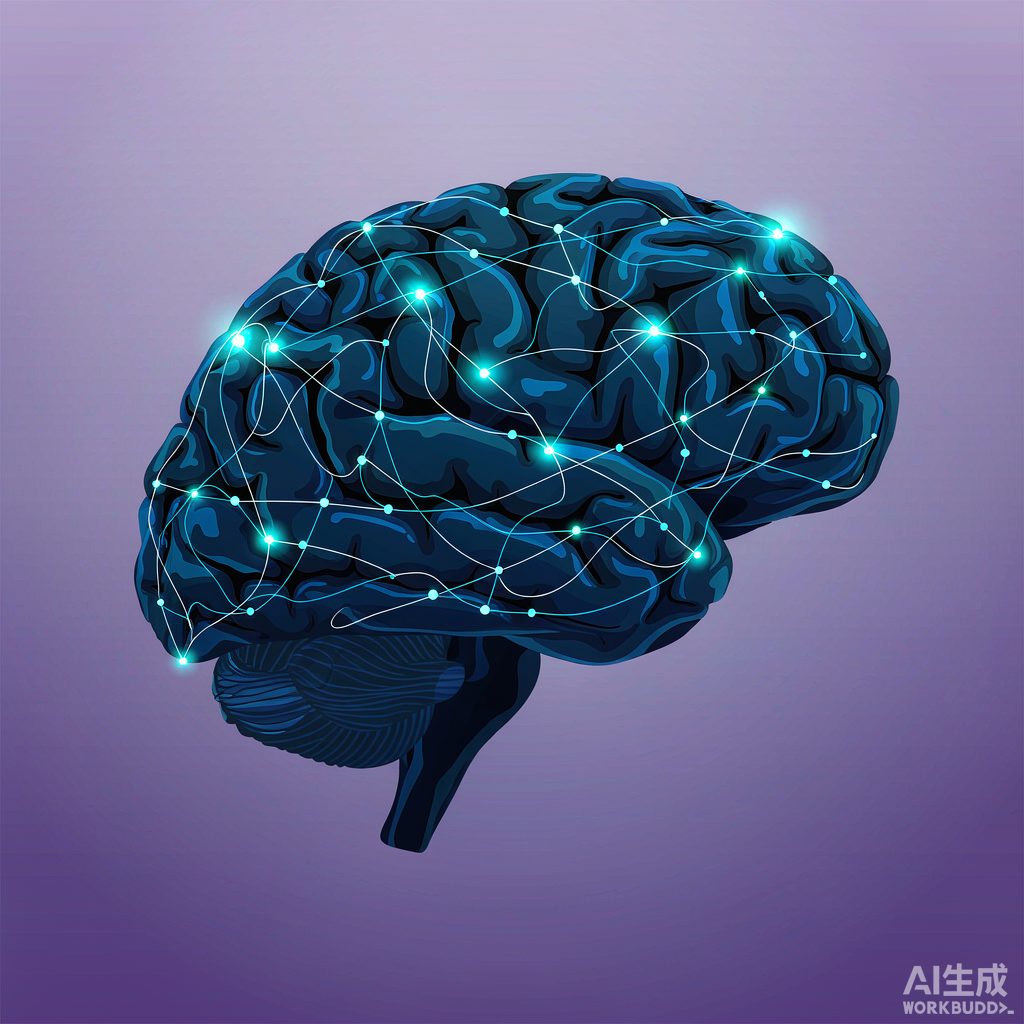
It is a syndrome from wear of the cervical discs and joints that irritates nearby nerves, spinal cord, or vessels. It becomes more common with age and prolonged head-down posture.
Typical Symptoms
Neck pain and stiffness are common, often radiating to the shoulder or arm. Numbness, weakness, or unsteady walking can signal nerve or spinal cord involvement and need prompt review.
How It Is Diagnosed
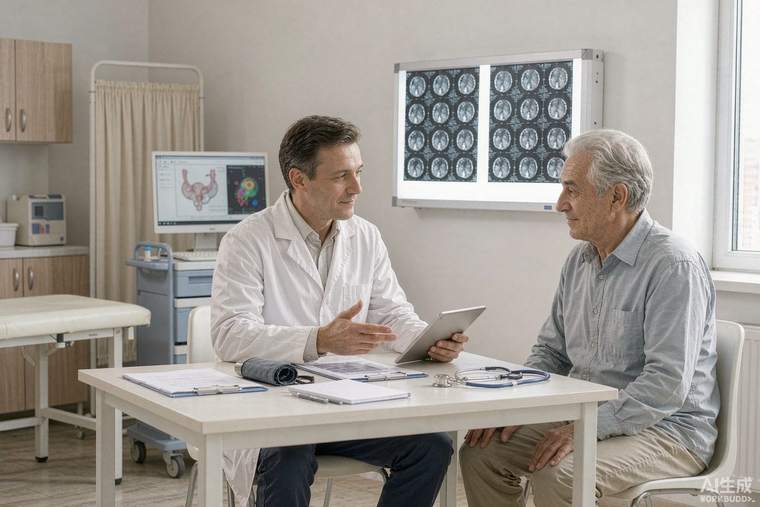
Diagnosis combines symptoms, physical signs, and imaging such as X-ray or MRI. Imaging alone is not enough; findings must match the person's clinical picture.
Conservative Care First
Most people improve with posture correction, activity adjustment, and physiotherapy. A firmer pillow, regular breaks, and neck-strengthening exercises help. Medication eases pain and inflammation.
When Surgery Is Considered
Surgery is reserved for severe nerve or spinal cord compression, progressive weakness, or failed conservative care. Shared decisions weigh risks, benefits, and the person's goals.
Daily Prevention
Limit prolonged looking down, set screens at eye level, and move hourly. Sleep with the neck supported. Early, gentle exercise protects long-term neck health.