Chronic Constipation: How It Is Assessed and Treated Step by Step
Chronic constipation affects about 15 percent of adults. The modern approach separates slow-transit from outlet obstruction, starts with fibre and osmotic laxatives, and moves to physiological testing and pelvic floor therapy when those fail.
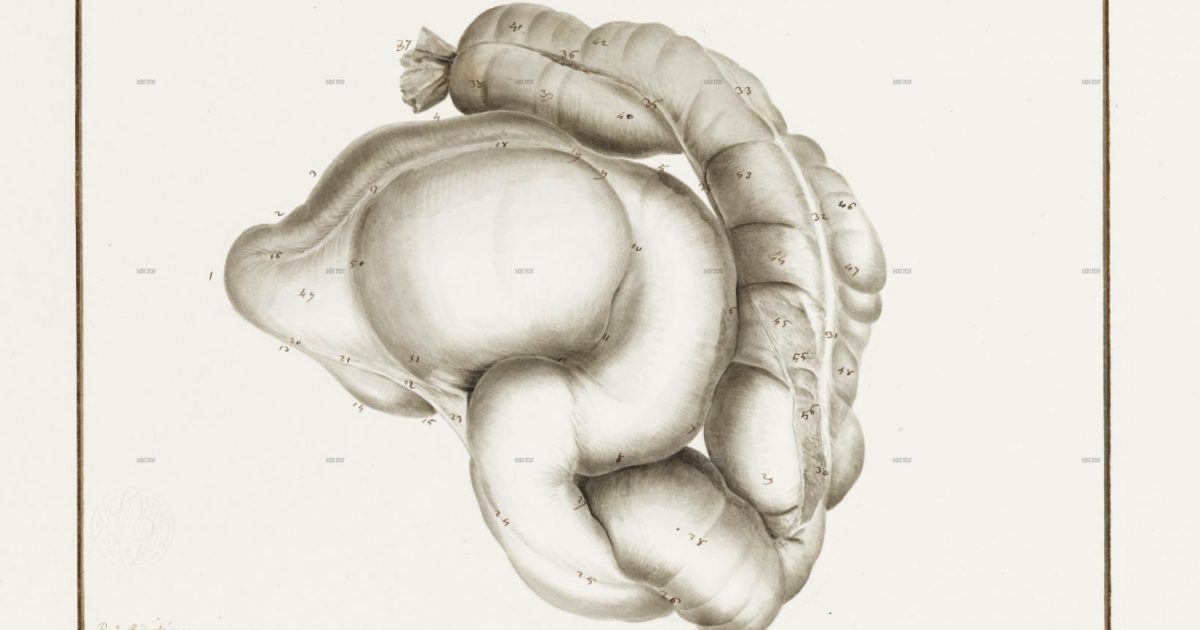
Chronic constipation is one of the commonest reasons for a gastroenterology or colorectal surgery consultation, affecting roughly 15 percent of the population. It is not a single disease. It divides into normal-transit constipation, slow-transit constipation and outlet obstruction - often called defaecatory disorder - and the treatment differs substantially between them, which is why the assessment matters more than the prescription.
The current clinical practice approach, reflected in the American Society of Colon and Rectal Surgeons guideline and widely adopted, is a stepwise one.
History and examination
Examination includes the abdomen - usually non-tender, sometimes distended, and any palpable mass should be noted - and the anorectal examination. Digital rectal examination can identify high anal tone, paradoxical contraction of the puborectalis, a rectocele, a mass, a stricture or impaction. Asking the patient to bear down while examining reveals how much the pelvic floor descends and whether the muscles relax as they should.
Two further questions are routinely asked. Which medicines is the patient taking - opioids, antidepressants, anticholinergics, calcium channel blockers and calcium supplements are all common contributors? And are there behavioural contributors - low fluid intake, low fibre, and inactivity?
Sorting out the subtype
First-line treatment
Stimulant laxatives such as bisacodyl are reserved for rescue or second-line use rather than being the starting point.
When first-line treatment fails
Testing may include anorectal physiology studies and dynamic imaging - defaecography by fluoroscopy or MRI, or dynamic ultrasound - to distinguish functional from structural causes and to identify a rectocele, intussusception or non-relaxing puborectalis.
Specific therapies for pelvic floor dysfunction
Biofeedback improves rectal sensitivity and compliance and is first-line therapy for symptomatic pelvic floor dyssynergia. It requires an engaged patient, an individually designed programme, and periodic top-up sessions to maintain benefit.
Surgery
For patients with significant outlet obstruction from a rectocele, repair can be considered once any coexisting functional problem such as non-relaxing puborectalis has been addressed. For severe obstructed defaecation from rectal intussusception unresponsive to conservative treatment, repair surgery may help. For isolated refractory slow-transit constipation, total colectomy with ileorectal anastomosis is an option. Stapled transanal rectal resection is not recommended for rectocele or intussusception because of its complication rate, and a permanent stoma is the final option for otherwise refractory disease.