Chronic Musculoskeletal Pain: Building a Conservative Care Plan
Evidence-based, non-drug approaches for chronic low back pain, neck pain, osteoarthritis, tension headache and fibromyalgia — what to try first, how long to trial it, and when to escalate, based on 2020 clinical practice guideline recommendations.
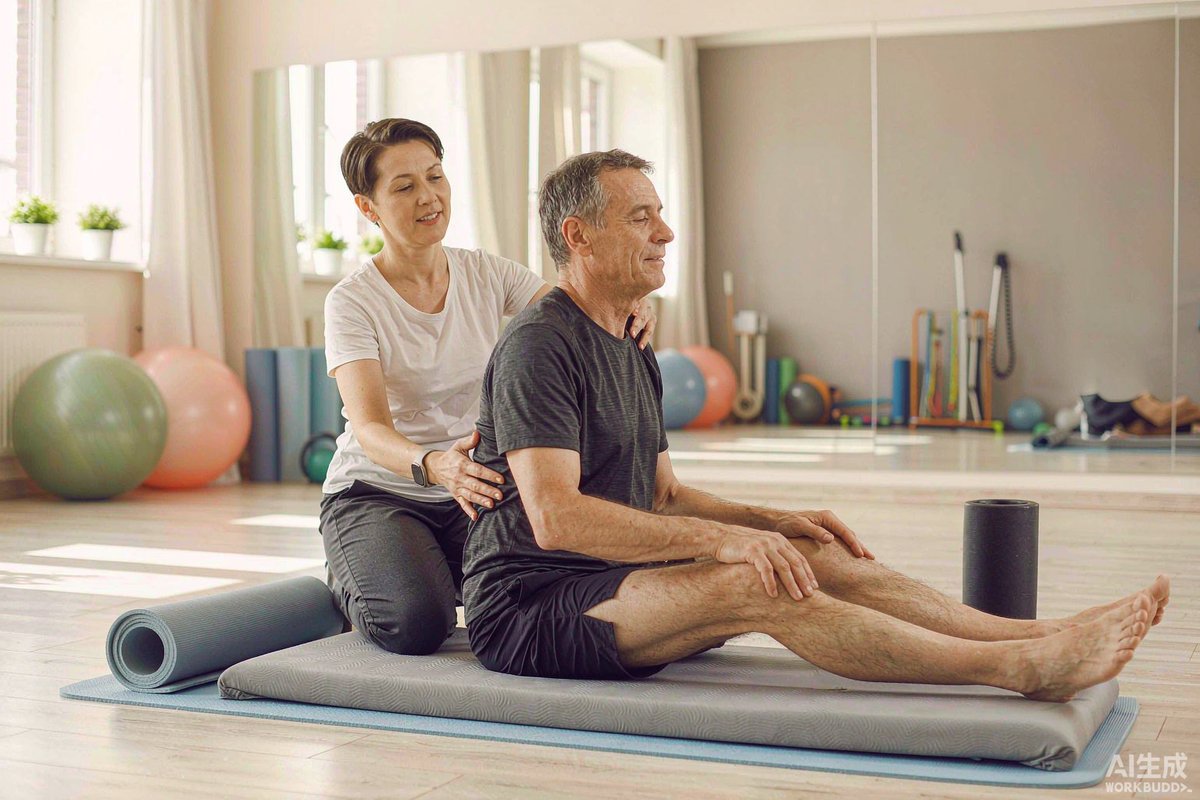
Chronic musculoskeletal pain — pain lasting more than three months in the back, neck, joints or muscles — is one of the most common reasons adults seek care. Authoritative bodies including the American College of Physicians and the US Agency for Healthcare Research and Quality recommend starting with non-drug, non-invasive treatments before medication, and this is now the mainstream position worldwide. This guide summarises a 2020 clinical practice guideline on conservative management of five common conditions: chronic low back pain, neck pain, tension headache, knee and hip osteoarthritis, and fibromyalgia.
Think management, not cure
Chronic pain behaves less like an injury waiting to heal and more like a long-term condition to be managed — similar to diabetes or hypertension. Goals shift from "make it disappear" to reducing pain to a tolerable level, protecting function and daily activities, reducing reliance on medication, and doing more of what matters to you. Clinicians are advised to identify the pain mechanism (ordinary tissue-based pain, nerve-related pain, or central sensitisation, where the nervous system itself amplifies signals), because this shapes which treatments help. Psychosocial factors — low mood, poor sleep, stress at work, catastrophising thoughts — genuinely influence pain physiology and belong in the assessment, not as an afterthought.
What the evidence supports
The strongest recommendations across all five conditions are for active approaches: structured exercise programmes, including yoga and tai chi for back pain and osteoarthritis, introduced as early as possible. Spinal manipulation and mobilisation — the signature hands-on techniques of chiropractic and rehabilitation medicine — help acute flare-ups and are best combined with exercise rather than used alone. Mind–body therapies have solid evidence: cognitive behavioural therapy for pain coping, and mindfulness-based stress reduction. Other supported options include acupuncture, low-level laser therapy and interferential current for some conditions. Passive treatments (massage, manipulation, modalities) are useful bridges, but the guideline is explicit: they should always be paired with active self-care — exercise, healthy diet, sleep and stress management.
How a sensible care plan is structured
A first visit should include a thorough pain history, a focused physical examination, and validated questionnaires to track your progress over time. Routine X-rays and MRI are not recommended for uncomplicated chronic pain — imaging findings correlate poorly with pain, and scans are ordered mainly when "red flags" are present (unexplained weight loss, fever, night pain, new weakness or numbness, significant trauma, cancer history). Risk questionnaires such as STarT Back help match intensity of care to risk: low-risk patients do well with simple advice and self-care, while higher-risk patients benefit from a combined physical and psychological programme. Expect a treatment trial of several weeks, then a formal reassessment — improvement should be measured, not assumed.
Safety of hands-on treatment
Spinal manipulation is generally safe when performed by appropriately trained practitioners, but it has contraindications your clinician should screen for: severe osteoporosis, bone tumours, spinal instability, active inflammatory arthritis in the neck, progressive neurological deficits and unstable bleeding disorders. This is precisely why a proper examination precedes any technique, and why soft-tissue or low-force mobilisation is chosen for higher-risk patients.
The China angle
Chinese hospitals are well set up for conservative pain care. Rehabilitation medicine departments, orthopaedics and pain-management clinics work alongside traditional Chinese medicine departments offering acupuncture, tuina massage and spinal manipulation — so a combined physical-plus-mind-body plan can often be delivered under one roof, at a fraction of Western prices. Bring any previous imaging, but expect the focus to be on functional examination and a written, measurable plan rather than repeat scans.