Dental Implant Maintenance: The 2025 Long-Term Care Guide
Implants do not decay, but the tissue around them becomes inflamed. This guide sets out the review schedule, the home cleaning technique that actually works, and what professional maintenance involves.
Dental implants have a long survival record when they are maintained and a much shorter one when they are not. The figure that should shape expectations is this: with structured maintenance, ten-year implant survival is above 90 percent; without it, it falls dramatically. Peri-implantitis is the commonest reason an implant that integrated perfectly is lost years later.
This guide follows the 2025 recommendations on long-term implant maintenance, covering why implants need different care from natural teeth, the review schedule, and the cleaning technique that makes the difference.
Why implants need different care
What maintenance is trying to achieve
The review schedule
Certain patients need tighter intervals. Smokers, patients with diabetes - where review is shortened and glycated haemoglobin is tracked - patients who grind their teeth, and patients who have had head and neck radiotherapy all fall into adjusted schedules.
Home cleaning technique
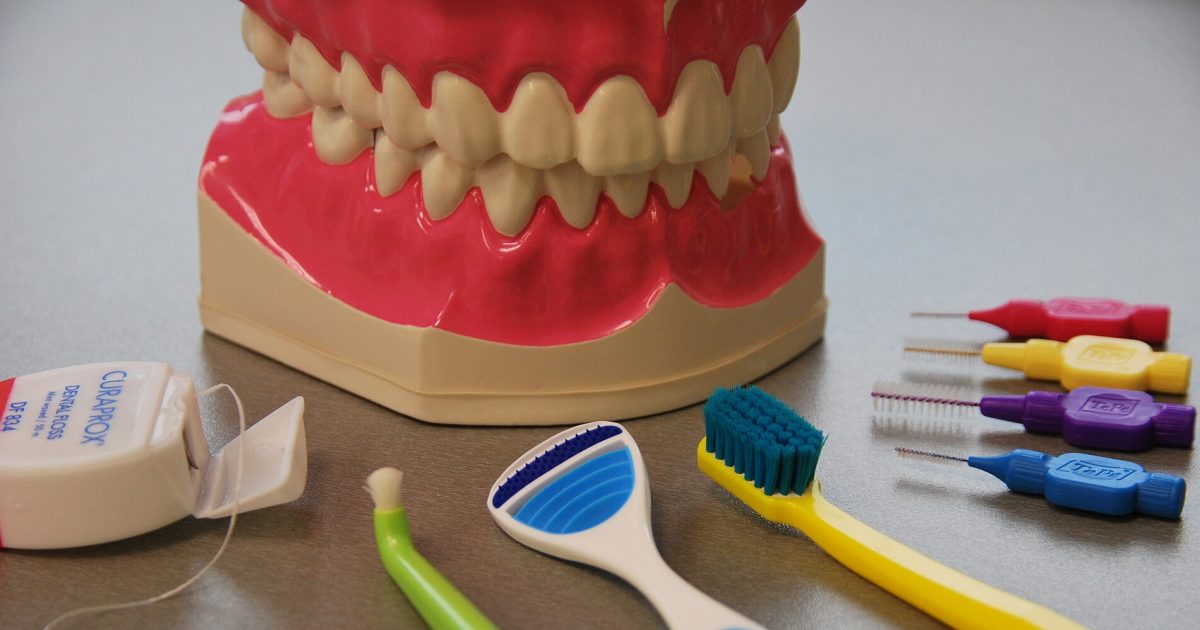
Interdental cleaning is chosen by gap size: interdental brushes for gaps up to 2 mm, floss and brushes for 2 to 3 mm, and an interdental cleaner with a water flosser at moderate pressure for gaps above 3 mm. Under a bridge body, a floss threader is needed.
Two habits cause damage: hard horizontal scrubbing, which contributes to recession at the implant neck, and excessive force - roughly a third of the pressure you would use to hold a pen is enough.
Professional maintenance
Professional cleaning uses instruments chosen to avoid scratching the implant surface: carbon-fibre or plastic ultrasonic tips at low power, glycine or bicarbonate powder air-polishing, and plastic scalers. The aim is to remove biofilm without roughening the fixture, because a rougher surface retains more plaque.