Eating Disorders in China: Clinical Prevention and Treatment Guideline
The Chinese guideline describes eating disorders as serious conditions needing combined psychological, nutritional, and medical care, with family involvement central to recovery.
What Are Eating Disorders
Eating disorders are mental and physical conditions involving intense concern about body shape, weight, and food control. They include anorexia nervosa, bulimia nervosa, and related disorders.
Common Signs
People may severely restrict food, binge and purge, or overexercise. Physical signs include low weight, fatigue, and poor nutrition. Emotional distress, anxiety, and low self-worth are common.
How They Are Assessed
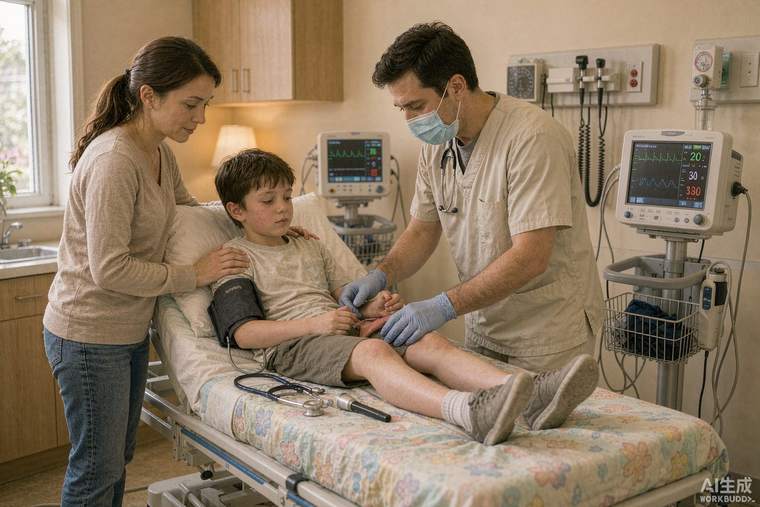
Assessment combines history, physical exam, mental health evaluation, and lab tests. The goal is to confirm the diagnosis and exclude other medical causes of weight or eating change.
A Team Approach
Treatment is multidisciplinary, involving doctors, psychologists, dietitians, and social workers. Plans are personalized and reviewed as the person progresses through care.
Core Treatments
Psychological therapies such as cognitive behavioral and family therapy are central. Nutritional rehabilitation restores balance. Medication may help mood or anxiety symptoms when needed.
Supporting Recovery
Families should learn about the illness and offer calm, steady support. Early help improves outcomes. Avoid criticism and focus on health, not weight or appearance.