Fistulising Crohn's Disease: Medicine Before Surgery
How perianal and abdominal fistulae are classified and imaged, which drugs close them, the role of surgery and setons, and why combined medical and surgical care is essential — based on the 2021 AGA clinical practice guideline.
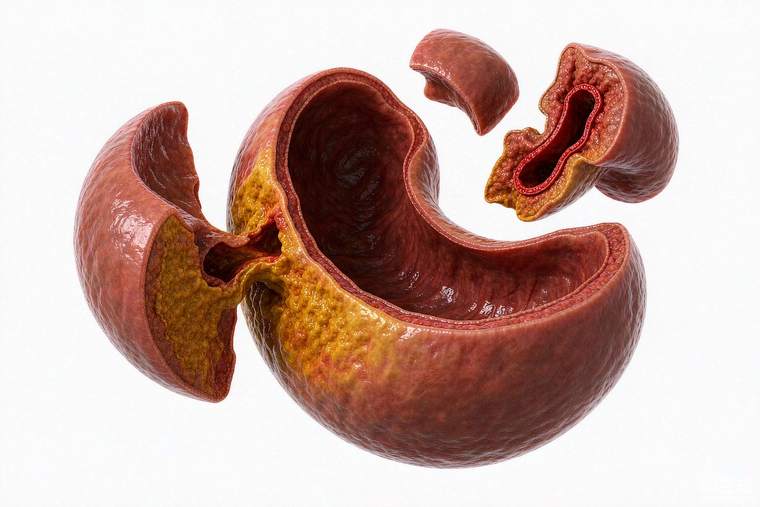
A fistula is an abnormal tunnel between the bowel and another surface — most often the skin around the anus, sometimes the bladder, vagina or another loop of bowel. Fistulae occur in a substantial minority of people with Crohn's disease and are among its most distressing complications: pain, discharge, recurrent abscess and unpredictable healing. Historically, a large share of patients came to surgery within a decade of diagnosis; the 2021 American Gastroenterological Association guideline reflects a shift towards combined medical and surgical management, with biologic therapy central.
Classification and imaging
Fistulae are described as simple or complex. Simple fistulae are low, have a single external opening, and are not associated with an abscess, stricture or significant rectal inflammation. Complex fistulae are high, have multiple tracts or openings, or are associated with an abscess, rectovaginal involvement, anorectal stricture or active rectal disease. Getting this distinction right requires imaging, not just examination: pelvic MRI is the reference test, with endoscopic ultrasound and examination under anaesthesia by a surgeon as complementary tools. Examination under anaesthesia is also therapeutic — it allows abscess drainage and seton placement at the same time.
Medicines that close fistulae
Anti-TNF therapy is the best-established medical treatment. Infliximab and adalimumab achieve fistula closure in a meaningful proportion of patients, and infliximab is recommended for inducing remission of fistulising disease; adalimumab is also effective, and vedolizumab has evidence for fistula closure as a secondary outcome. Antibiotics — metronidazole or ciprofloxacin — reduce discharge and are useful adjuncts, particularly around abscesses, but rarely close a fistula permanently. Thiopurines and methotrexate are used as maintenance or combination therapy. Ustekinumab is an option after anti-TNF failure. Corticosteroids do not heal fistulae and may worsen sepsis, so they are avoided for this indication.
Surgery has a supporting, not opposing, role
Modern management pairs the two. Abscesses must be drained promptly — antibiotics alone will not resolve a collection. A loose seton (a thread placed through the tract) keeps the fistula draining, prevents recurrent abscess, and allows medical therapy to work. Definitive surgical repair — fistulotomy, advancement flap, or the LIFT procedure — is considered once inflammation is controlled and the tract is favourable; it is much less likely to succeed in the presence of active rectal inflammation, and faecal diversion or proctectomy remains necessary for a small group with severe, refractory disease.
Measuring success and living with it
"Closure" is assessed both by symptoms — no discharge, no pain — and by imaging, since a tract can look healed on MRI while still draining, or feel better while still open. Treatment response is reviewed after a defined period rather than indefinitely, and therapy is adjusted if the target is not met. Practical self-care matters: meticulous perianal hygiene, sitz baths, prompt reporting of new pain or fever (which may mean a new abscess), and — critically — stopping smoking, which worsens fistula outcomes. Ask your team who is coordinating between gastroenterology and colorectal surgery; in complex disease, that coordination determines the outcome more than any single drug.