Glaucoma with Cataract: Choosing the Right Operation
When cataract removal alone is enough, when combined glaucoma surgery is needed, and how the decision differs for angle-closure and open-angle glaucoma — based on the 2021 Chinese expert consensus on surgical treatment of primary glaucoma with cataract.
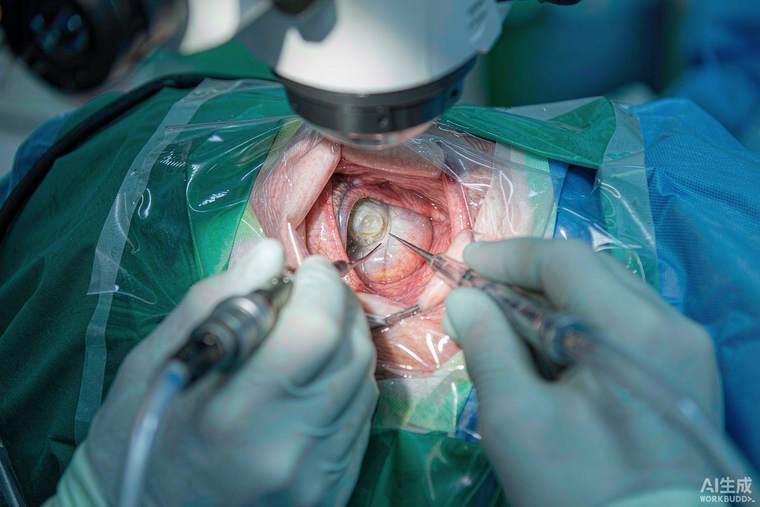
Glaucoma and cataract commonly occur together, and cataract surgery itself lowers eye pressure in most eyes — which makes the surgical decision genuinely interesting rather than routine. In some patients removing the cloudy lens is sufficient treatment for both problems; in others, pressure control requires a combined procedure. The 2021 Chinese expert consensus on surgery for primary glaucoma with cataract sets out how to choose, because getting it wrong means either uncontrolled glaucoma or unnecessary surgery.
Why cataract surgery lowers pressure
Removing the thickened, ageing lens deepens the front chamber of the eye and opens the drainage angle, allowing fluid to leave more freely. This effect is largest in eyes with narrow angles and is the reason cataract surgery can be the primary pressure-lowering intervention in primary angle-closure disease. The effect is smaller in open-angle glaucoma, where the drainage problem lies deeper in the trabecular meshwork.
Choosing the operation
For primary angle-closure glaucoma with a visually significant cataract, cataract extraction alone frequently brings pressure into target range, especially when the angle is not extensively damaged by permanent synechiae; gonioscopy and, where indicated, ultrasound biomicroscopy help judge how much of the angle closure is reversible. Where pressure is uncontrolled on maximal medical therapy, or where advanced cupping and field loss make any pressure spike dangerous, combined surgery — phacoemulsification with lens implantation plus trabeculectomy, or phacoemulsification combined with goniosynechialysis to reopen a closed angle — is recommended. For primary open-angle glaucoma, cataract surgery improves vision and usually produces a modest pressure reduction, but patients needing a large drop in pressure or already on multiple drops are better served by combined surgery or by a drainage implant at the same time.
Minimally invasive options
Minimally invasive glaucoma surgery procedures — trabecular meshwork bypass stents, canal-based procedures and supraciliary devices — are designed to be combined with cataract surgery and offer modest pressure lowering with a better safety profile than trabeculectomy. They suit mild to moderate disease where the target pressure is not extremely low; they are not a substitute for filtering surgery in advanced glaucoma.
What to discuss beforehand
Ask what your target pressure is — set from the degree of existing field damage and your baseline pressure — because that target determines the operation. Ask whether cataract surgery alone is likely to reach it, or whether a combined procedure is advised, and why. Ask about the specific risks: trabeculectomy carries risks of hypotony, infection, bleeding and cataract progression, while MIGS carries fewer risks but a smaller effect. Discuss whether surgery is done sequentially or combined, and what happens if pressure rises afterwards.
After surgery
Recovery involves topical anti-inflammatory and antibiotic drops for several weeks, activity moderation and a schedule of pressure checks. A key point for angle-closure patients: the other eye is at risk and may need preventive laser treatment, so examination of the fellow eye is part of the plan. Lifelong follow-up continues after successful surgery, because glaucoma is a chronic condition — the operation lowers pressure, it does not end the disease.