Gout and High Uric Acid: Diagnosis, Treatment and Long-Term Control
Why treating the flare is not the same as treating the disease, how urate-lowering therapy is started and monitored, and what Chinese pattern-based (TCM) care adds, based on the national evidence-based guideline for gout and hyperuricaemia.
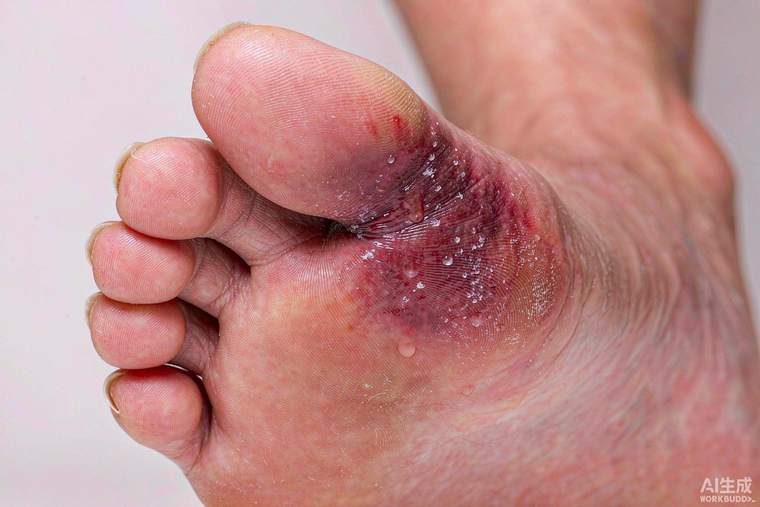
Gout is an inflammatory arthritis triggered by urate crystals forming in a joint when blood uric acid is persistently high. In China, prevalence is estimated at 0.86–2.20%, the average age at onset is about 40, and men are affected far more often than women. High uric acid is also an independent risk factor for coronary disease, hypertension, diabetes and chronic kidney disease — which is why the condition is treated as a long-term metabolic problem, not an occasional sore toe. This guide follows the national evidence-based guideline developed jointly by rheumatology, endocrinology, nephrology, nutrition and TCM specialists.
Recognising a flare
A classic attack is sudden, severe pain in one joint — most often the base of the big toe, but also the ankle, knee or wrist — with redness, swelling and warmth, often waking the patient at night and settling within a week or two. Between attacks, symptoms may vanish entirely, which is precisely when patients stop treatment and the disease quietly progresses: tophi (chalky urate deposits) can form in joints, ears and soft tissue, and joint damage accumulates.
Confirming the diagnosis
Diagnosis rests on the clinical pattern plus identification of monosodium urate crystals in joint fluid or a tophus, which remains the gold standard. Where aspiration is impractical, ultrasound has become a practical alternative: the double-contour sign (urate deposited on the cartilage surface) and tophus are characteristic. Blood uric acid supports but never proves the diagnosis — levels can be normal during an acute flare. X-rays are useful later to document erosion; dual-energy CT can visualise urate deposits when the picture is unclear.
Treating the flare
Flares are treated promptly with anti-inflammatory medicines: colchicine in low dose, non-steroidal anti-inflammatory drugs, or a short course of corticosteroid — chosen according to kidney function, stomach risk and other medicines. Local ice and rest help. Critically, urate-lowering therapy already in progress should not be stopped during a flare; stopping makes attacks more likely.
Lowering urate: the actual treatment
Long-term control means keeping serum uric acid below a target — generally under 360 µmol/L (6 mg/dL), and under 300 µmol/L (5 mg/dL) when tophi are present — maintained indefinitely. Medicines are started after the flare settles (or alongside anti-inflammatory cover), beginning at a low dose and titrating upward: allopurinol is standard first-line, febuxostat an alternative, and benzbromarone or probenecid increase uric acid excretion in suitable patients. Flare prophylaxis with low-dose colchicine or an NSAID is recommended for the first three to six months, because mobilising urate provokes attacks early on. Monitoring includes uric acid, liver and kidney function and blood counts.
Diet, weight and TCM
Lifestyle measures matter but have limits: limiting alcohol (especially beer and spirits), sugar-sweetened drinks and high-purine foods, losing weight gradually, and staying well hydrated. Severe dietary restriction alone rarely reaches target. The guideline's distinctive contribution is pattern differentiation in TCM: acute flares are typically classified as damp-heat or toxin patterns and treated with heat-clearing, dampness-resolving formulas, while chronic phases emphasise spleen and kidney support; acupuncture and external applications are used adjunctively. Choose practitioners who coordinate with your rheumatologist, and never replace urate-lowering therapy with herbs alone.