Blood Pressure Medicines: What the WHO Guideline Recommends
When to start treatment, which drug classes are first-line, how combination therapy is best delivered, and the target and monitoring schedule — based on the 2021 WHO guideline on pharmacological treatment of hypertension in adults.
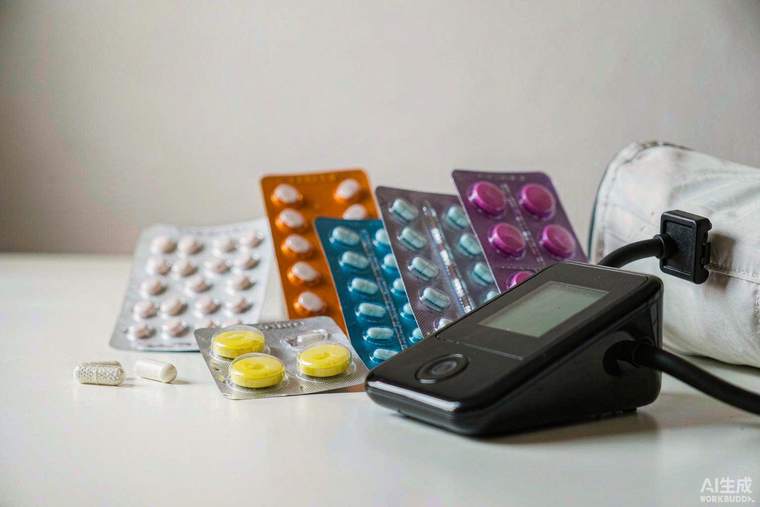
High blood pressure is the largest single contributor to stroke, heart attack, heart failure and kidney disease worldwide, and it usually causes no symptoms until damage has accumulated. Medicines work — reliably and at low cost — yet most people with hypertension are untreated or under-treated. The 2021 World Health Organization guideline on pharmacological treatment of hypertension in adults sets out a practical, globally applicable approach.
Confirming the diagnosis and deciding to start
Hypertension is not diagnosed on one reading. Blood pressure should be measured with a validated device, correct cuff size and proper technique, ideally repeated, and confirmed by out-of-office measurement — home readings or 24-hour ambulatory monitoring — which also detects white-coat and masked hypertension. Treatment thresholds depend on overall cardiovascular risk: medication is recommended for people with markedly elevated readings, and for those at lower readings who also have high cardiovascular risk — established cardiovascular disease, diabetes, chronic kidney disease, or a high calculated risk score. Lifestyle change — less salt, more potassium-rich vegetables, activity, weight loss, less alcohol, no smoking — accompanies medication at every stage rather than replacing it.
First-line drug classes
Three classes are first-line, all with proven outcome benefit: thiazide-like diuretics (chlorthalidone or indapamide preferred over plain hydrochlorothiazide), calcium channel blockers (such as amlodipine), and ACE inhibitors or angiotensin receptor blockers. Choice is individualised: calcium channel blockers or diuretics are particularly effective in older patients and in people of African descent; ACE inhibitors or ARBs are preferred in diabetes, chronic kidney disease with proteinuria, heart failure and after myocardial infarction — but must never be combined with each other, and require monitoring of potassium and kidney function.
Combination therapy — preferably in one pill
Most people need more than one drug. The guideline recommends starting treatment with a combination, ideally as a single-pill fixed-dose combination of two first-line agents, because it lowers blood pressure faster, improves adherence and reduces cardiovascular events more effectively than sequential monotherapy. A typical pairing is a calcium channel blocker with an ACE inhibitor or ARB, or a thiazide-like diuretic with an ACE inhibitor or ARB. If a two-drug combination is insufficient, a three-drug combination is used; resistant hypertension then prompts a search for causes — kidney or endocrine disease, sleep apnoea, medicines such as NSAIDs or decongestants, and non-adherence.
Targets and follow-up
A general target is below 140/90 mmHg, with a lower target — below 130/80 mmHg — commonly used for people at high cardiovascular risk, adjusted to tolerance. Blood pressure is reviewed at intervals of weeks while doses are being adjusted and then every few months once stable, with periodic checks of kidney function, potassium, lipids and glucose. Home monitoring is encouraged, and patients should be taught how to measure correctly and when to seek review.
Practical advice
Take medicines at the same time each day and do not stop them because readings look normal — the medicine is what keeps them normal. Report side effects rather than abandoning treatment; a persistent dry cough on an ACE inhibitor, ankle swelling on a calcium channel blocker, or gout triggered by a diuretic can all be managed by switching. Bring a full list of medicines and supplements, including over-the-counter painkillers and cold remedies, to every review: they are a common cause of unexplained blood pressure rises.