Inflammatory Bowel Disease: Ulcerative Colitis and Crohn's Disease
How IBD is diagnosed and distinguished, the treatment ladder from aminosalicylates to biologics, why treat-to-target matters, and the cancer surveillance that follows — based on the 2020 JSGE evidence-based clinical practice guideline.
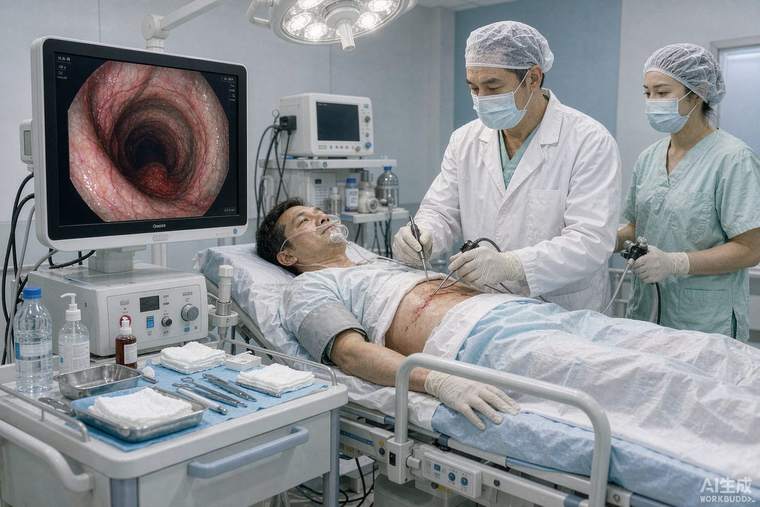
Inflammatory bowel disease (IBD) covers two chronic relapsing conditions of the gut: ulcerative colitis, which affects the colon's inner lining continuously from the rectum upward, and Crohn's disease, which can affect any part of the digestive tract in patches and through its full thickness. Both are lifelong, both have peaks in young adulthood, and both are now treatable to the point where most patients can work, travel and raise families. This guide follows the 2020 evidence-based guideline of the Japanese Society of Gastroenterology.
Getting the diagnosis right
Symptoms overlap with infections, irritable bowel syndrome and other conditions, so diagnosis combines several lines of evidence: persistent diarrhoea, often with blood and mucus in colitis, abdominal pain and weight loss in Crohn's; blood and stool tests including inflammatory markers (CRP) and stool calprotectin, which distinguishes inflammation from functional bowel symptoms; endoscopy with biopsies — colonoscopy with ileoscopy — which shows the pattern and extent of inflammation; and cross-sectional imaging (CT or MR enterography) or capsule endoscopy to assess the small bowel, which colonoscopy cannot reach. Stool tests to exclude infection, including Clostridioides difficile, are part of the initial work-up.
The treatment ladder
Treatment is matched to site and severity. Mild to moderate ulcerative colitis is treated with 5-aminosalicylates (mesalazine), topically or orally; moderate to severe disease needs corticosteroids for induction, then immunomodulators such as azathioprine or, increasingly, biologics — anti-TNF agents (infliximab, adalimumab), anti-integrin (vedolizumab), anti-IL-12/23 (ustekinumab) — or small molecules such as tofacitinib. In Crohn's disease, exclusive enteral nutrition is an established induction option, particularly in children; corticosteroids induce remission but do not maintain it; immunomodulators and biologics maintain remission, with anti-TNF agents effective for fistulising and perianal disease. Budesonide is useful for localised ileocaecal disease because of its low systemic effect.
Treat to target
Modern care sets a target rather than reacting to flares: resolution of symptoms and normalisation of inflammatory markers, and — increasingly — endoscopic healing confirmed by a repeat scope or by calprotectin and imaging. Treatment is escalated until the target is met, and de-escalation is avoided during stable remission unless there is a specific reason. This approach is what reduces surgery, hospital admissions and long-term bowel damage.
Surgery and complications
Despite better drugs, a substantial proportion of patients need surgery at some point: subtotal colectomy with ileal pouch reconstruction for colitis that will not settle or shows dysplasia, and resection or strictureplasty for Crohn's complications such as strictures, fistulae or abscesses. Surgery is not a failure — it often restores quality of life when medical therapy has been exhausted.
Long-term care
Chronic colitis — but not usually Crohn's of the small bowel alone — carries an increased colorectal cancer risk after roughly eight to ten years, so surveillance colonoscopy at intervals set by disease extent, duration, family history and the presence of primary sclerosing cholangitis is standard. Patients on immunosuppression should keep vaccinations current, be assessed for tuberculosis and hepatitis before biologics, and have skin checks. Bone density, iron status, vitamin B12 and vitamin D are monitored, and smoking cessation is the single most effective self-management step in Crohn's disease.