Lymphoma in China: How Treatment Is Chosen
The difference between Hodgkin and non-Hodgkin lymphoma, how staging and subtype decide treatment, the standard regimens, and what follow-up involves — based on the 2021 Chinese guideline for lymphoma treatment.
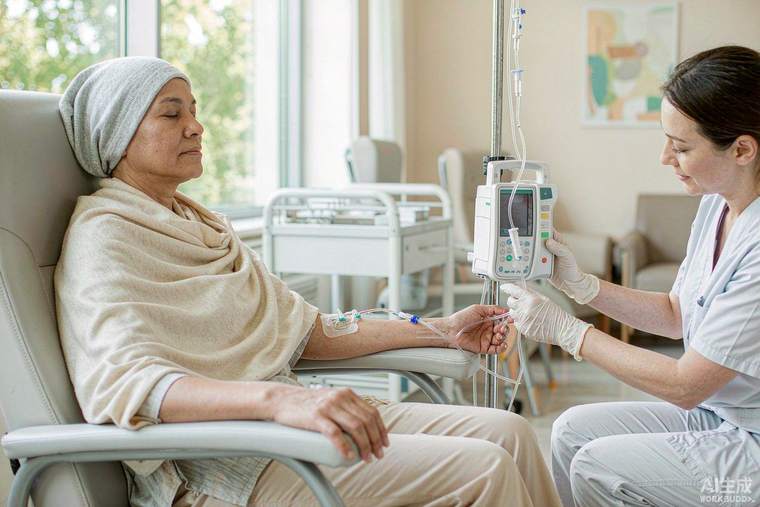
Lymphoma is not one disease but dozens, arising from lymphocytes at different stages of maturation. They divide into two broad families — Hodgkin lymphoma, which is highly curable, and non-Hodgkin lymphoma, which spans indolent diseases that can be watched for years and aggressive diseases that need immediate treatment. Because the treatment differs completely and the diagnosis depends on subtle pathology, the quality of the biopsy and the precision of the subtype are what determine everything. The 2021 Chinese guideline for lymphoma treatment sets out the standard approach.
Getting the diagnosis right
An excisional lymph node biopsy — removing an entire node — is preferred over a needle biopsy, because architecture matters for classification. The pathology report must include immunophenotyping and, increasingly, molecular and cytogenetic studies, since entities such as diffuse large B-cell lymphoma of germinal-centre versus activated B-cell type, double-hit lymphoma, mantle-cell lymphoma and marginal-zone lymphoma are managed differently. Staging uses PET-CT or CT of the neck, chest, abdomen and pelvis, a bone marrow examination in selected subtypes, blood tests including LDH and hepatitis screening before immunotherapy, and assessment of the prognostic index relevant to the subtype.
Hodgkin lymphoma
Classical Hodgkin lymphoma is treated with chemotherapy — ABVD being the standard backbone — usually combined with involved-site radiotherapy for early-stage disease; the guideline recommends combined modality treatment for early-stage disease because chemotherapy alone carries a higher local relapse rate, while overall survival is similar. Advanced disease is treated with more intensive regimens such as BEACOPP in selected patients, and response is assessed by PET-CT, which guides whether radiotherapy is needed. Nodular lymphocyte-predominant Hodgkin lymphoma is a separate entity with a different, generally indolent behaviour.
Aggressive non-Hodgkin lymphoma
Diffuse large B-cell lymphoma, the commonest aggressive type, is treated with R-CHOP — rituximab, cyclophosphamide, doxorubicin, vincristine and prednisone — with six cycles standard and interim PET-CT used to assess response. Selected higher-risk patients are considered for more intensive regimens or consolidative transplantation, though results have been mixed. Other aggressive types — Burkitt lymphoma, lymphoblastic lymphoma, mantle-cell lymphoma — use specific intensive protocols. CNS prophylaxis is considered for subtypes with a high risk of central nervous system relapse.
Indolent lymphoma
Follicular lymphoma and marginal-zone lymphoma can be observed without treatment when asymptomatic — immediate treatment does not prolong survival — and treated when symptoms, bulky disease, cytopenias or progression appear, using rituximab alone, rituximab with chemotherapy, or radiotherapy for localised disease. Transformation to an aggressive lymphoma is the event that changes the plan and is suspected when one node suddenly grows while others do not.
After treatment
Follow-up combines clinical examination, blood counts and imaging at intervals, with attention to late effects: cardiac function after anthracyclines, lung toxicity after bleomycin, secondary cancers after radiotherapy, fertility, and infection risk after rituximab or intensive chemotherapy. Relapsed or refractory disease is treated with second-line chemotherapy followed by autologous stem cell transplantation in eligible patients, with CAR-T cell therapy now available for several subtypes and a rapidly expanding option in Chinese centres.
Practical advice
Insist on an adequate biopsy and ask for the exact subtype and any molecular results. Bring pathology slides for review if you are seeking a second opinion. Ask which prognostic index applies to you, what the treatment intent is — cure or control — and how response will be measured. Before treatment starts, ask about vaccination, hepatitis screening, fertility preservation and cardiac monitoring.