Autologous Stem Cell Transplant for Myeloma: What It Involves
Who is eligible for autologous transplant in multiple myeloma, how stem cells are collected, what the transplant admission is like, and the outcomes and risks — based on China's 2021 guideline.
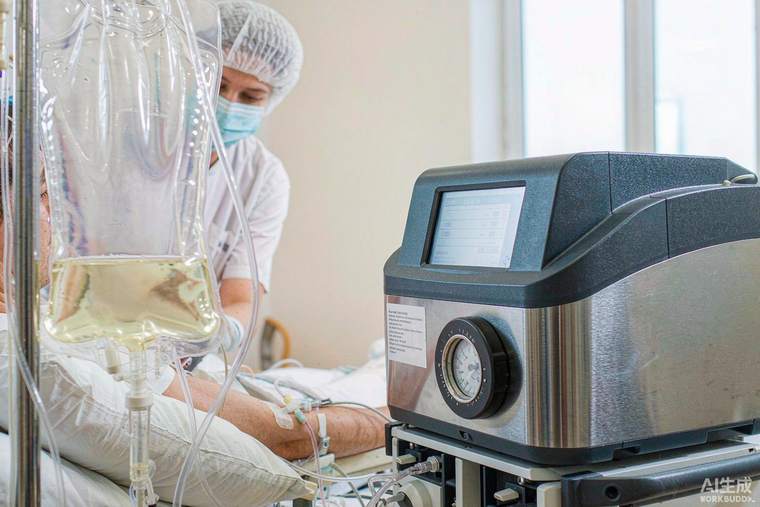
Autologous stem cell transplantation — collecting a patient's own blood-forming stem cells, then giving high-dose chemotherapy and returning those cells — has been a standard part of myeloma treatment for decades. It deepens remission and prolongs progression-free survival, and it remains standard for eligible patients despite the arrival of very effective new drugs. China's 2021 guideline from the Chinese Society of Hematology sets out patient selection, conditioning, collection, and peritransplant care.
Who is eligible
Eligibility is based on fitness rather than age alone: patients with adequate heart, lung, kidney and liver function and a reasonable performance status are candidates, and carefully selected older patients do well. Transplant-eligible patients receive induction therapy first — typically a three-drug regimen of a proteasome inhibitor, an immunomodulatory agent and a steroid, increasingly with an anti-CD38 monoclonal antibody added to deepen the response before transplant — and are then referred for collection. Patients who are not transplant candidates receive continuous therapy instead. Eligibility should be assessed early, because the timing of collection matters.
Collecting stem cells
Stem cells are mobilised from the bone marrow into the blood using chemotherapy and/or growth factor — commonly cyclophosphamide plus G-CSF, or G-CSF alone — and collected by apheresis over one or more sessions. An important practical point from the guideline: proteasome inhibitors, immunomodulatory agents, monoclonal antibodies and steroids do not damage stem cells, but cumulative exposure to alkylating agents and lenalidomide can impair collection, so stem cells are generally harvested within about four cycles of such therapy rather than after prolonged exposure. A target cell dose is collected and, if the first attempt fails, remobilisation strategies are available.
The transplant admission
After high-dose conditioning — melphalan is the standard — the collected cells are infused like a transfusion, and the patient waits for them to "engraft": blood counts fall to their lowest around the second week and recover over the following one to two weeks. During this period the patient is at risk of infection, bleeding and the need for transfusions, so care includes isolation precautions, antibiotics and antifungals as indicated, blood product support, nutritional support, and management of mucositis and nausea. Hospital stays typically run two to three weeks, with close outpatient follow-up after discharge.
Risks and recovery
Treatment-related mortality with modern supportive care is low — generally reported in the low single-digit percentage range in transplant-eligible patients — and most toxicity is reversible: fatigue, mouth soreness, hair loss, diarrhoea and prolonged low blood counts. Longer-term considerations include a small risk of secondary blood disorders, the need to re-vaccinate after transplant, herpes zoster prophylaxis, and the fact that most patients eventually relapse. Maintenance therapy with lenalidomide or a proteasome inhibitor after transplant prolongs remission and is standard.
What to ask
Am I transplant-eligible, and when should collection happen in relation to my current cycles? How many transplants does this centre perform per year? What conditioning regimen is planned, what is the expected hospital stay, and what supportive care — infection prevention, transfusion support, zoster prophylaxis — is included? And afterwards: what maintenance therapy is planned, how long will it continue, and what is the plan if the disease returns?