Dental Treatment Under General Anaesthesia for Children: A Parent's Guide
When general anaesthesia is recommended for children's dental care, the fasting and assessment rules, what happens on the day, and the risks and recovery — based on the Chinese guideline on general anaesthesia for paediatric dental procedures.
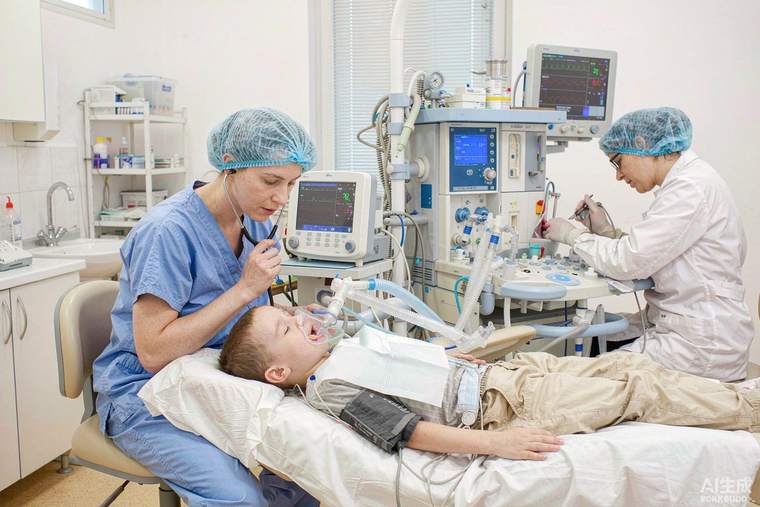
Some children cannot tolerate dental treatment in a chair: very young children, children with extensive decay, those with anxiety or behavioural difficulties, and those with medical or physical conditions that make long appointments impractical. For them, completing all the dental work in a single session under general anaesthesia is often kinder and safer than repeated, distressing appointments. The Chinese guideline on the use of general anaesthesia for paediatric dental procedures sets out where it can be done, who is suitable, and how it should be conducted.
When it is considered
Indications include extensive decay in a child too young to cooperate, treatment that cannot be completed safely with local anaesthesia or sedation, acute infection or pain requiring urgent care, children with medical conditions or disabilities that make chairside treatment unsafe, and situations where multiple separate appointments would be more burdensome than one anaesthetic. Contraindications matter too: the guideline advises against outpatient general anaesthesia for children whose general condition is unstable — generally ASA physical status III or above — for children with an acute upper respiratory infection or uncontrolled asthma, for those with specific airway difficulties, and where the facility lacks the staff and equipment to manage a child's airway safely.
Before the day
A pre-anaesthesia assessment reviews the child's medical history, medications, allergies, previous anaesthetics and any family history of anaesthetic problems, together with an examination focused on the airway and heart and lungs. Investigations are ordered only where indicated by that history — routine blanket testing is not recommended. Fasting is strict and is the rule most often broken by accident: the guideline follows standard ASA fasting — no fried, fatty or meat-containing food for at least 8 hours; no easily digested solids or non-human milk for at least 6 hours; no breast milk for at least 4 hours; and no clear fluids — water, pulp-free juice, soda, clear tea, plain coffee, but not alcohol — for at least 2 hours. Parents should also ask about which regular medicines to take or omit.
On the day
Anaesthesia is usually induced with the parent present or with inhaled gas through a mask, after which a cannula is placed and monitoring begins: heart rate, oxygen saturation, blood pressure, breathing and temperature, with capnography for children who are intubated. Airway management ranges from a nasal mask or supraglottic airway to a tracheal tube, chosen by the anaesthetist based on the procedure and the child. The dental team then works with a throat pack or other protection, and local anaesthetic is still used for pain relief afterwards. Fluids are given intravenously and temperature is actively maintained, since children cool quickly.
Recovery and risks
After the procedure the child wakes in a recovery area with monitoring and pain assessment, and discharge is allowed once consciousness, breathing, oxygen saturation, swallowing and mobility meet defined criteria and the child is drinking. Instruction sheets cover pain relief, bleeding, diet and what to watch for. Risks include sore throat, nausea, drowsiness, injury to teeth or soft tissue, and — rarely — serious airway or allergic events; modern paediatric anaesthesia in healthy children has a very low rate of serious complications, provided it is delivered by trained staff in a properly equipped setting.
Questions to ask
Is your facility equipped for children specifically — appropriately sized airway equipment, a paediatric-trained anaesthetist, and a dedicated recovery area? How many dental anaesthetics do you do per week? What is the fasting plan, and what happens if my child has a cold on the day? Who will be present throughout? And afterwards: what is the plan to prevent this recurring, since dental decay treated under anaesthesia returns unless diet, brushing and fluoride advice change at home.