Pulmonary Hypertension: Finding the Cause Before Choosing the Treatment
How pulmonary hypertension is defined and classified, the tests used to confirm it, and why treatment depends entirely on the underlying type — based on China's 2021 guideline.
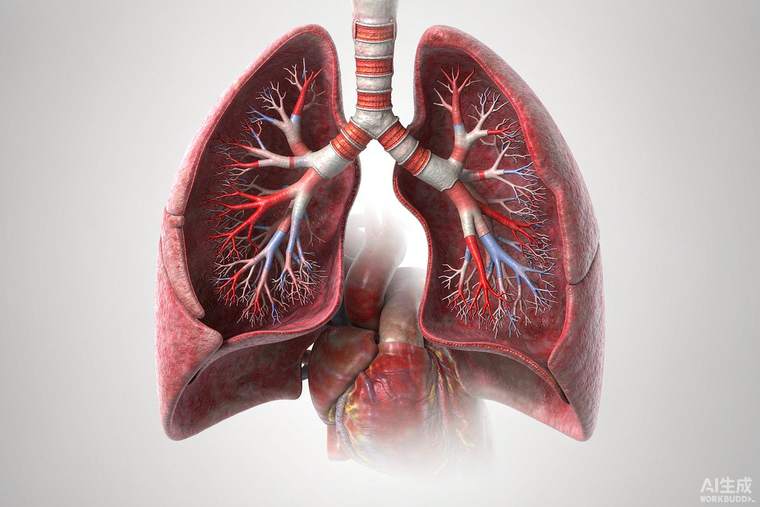
Pulmonary hypertension (PH) is not a single disease but a haemodynamic state: raised pressure in the lung circulation caused by many different conditions, which over time strains the right side of the heart and can lead to right heart failure. Because treatments differ completely by cause — and because the wrong drug can be harmful — the entire diagnostic effort is directed at classification. This guide follows China's 2021 guideline from the Chinese Thoracic Society's pulmonary embolism and pulmonary vascular disease group.
What the numbers mean
PH is defined by a mean pulmonary arterial pressure above 20 mmHg at rest measured by right heart catheterisation — the only test that confirms the diagnosis and measures pressures directly. Echocardiography is the screening tool that raises suspicion and estimates pressure, tracks right ventricular function and looks for left heart or valve disease. A six-minute walk test, NT-proBNP blood test, lung function tests, CT pulmonary angiography and ventilation–perfusion scanning complete the picture: the V/Q scan is specifically used to detect chronic thromboembolic PH, which is one of the few potentially curable forms.
The five groups
Group 1 is pulmonary arterial hypertension — disease of the small lung arteries themselves, including idiopathic, heritable, drug-associated and connective-tissue-disease-associated forms. Group 2 is PH due to left heart disease, the commonest group in practice. Group 3 is due to lung disease or hypoxia, such as COPD or interstitial lung disease. Group 4 is chronic thromboembolic PH, caused by unresolved clots. Group 5 covers unclear or multifactorial mechanisms. Vasodilator testing during catheterisation identifies the small subset of group 1 patients who respond dramatically to calcium channel blockers.
Treatment follows the group
For group 1, targeted pulmonary vasodilator therapy is used: endothelin receptor antagonists, phosphodiesterase-5 inhibitors and soluble guanylate cyclase stimulators, prostacyclin pathway agents, and — increasingly — upfront combination therapy for patients at higher risk, with risk stratification reviewed at each visit. Anticoagulation and oxygen are used selectively; diuretics manage fluid overload. Group 2 is treated by optimising the heart condition — PH medications are generally not indicated and may worsen outcomes. Group 3 is treated by treating the lung disease and correcting hypoxia with long-term oxygen where indicated. Group 4 is the surgical one: pulmonary endarterectomy can be curative and should be assessed at an experienced centre; balloon pulmonary angioplasty or medical therapy are options for inoperable disease.
Practical guidance
Because PH care is specialised and the drug list is narrow, patients should be managed in centres with pulmonary vascular disease teams. Practical points: keep vaccinations up to date, avoid pregnancy (which carries very high risk in group 1), avoid high altitude and strenuous isometric exercise, discuss any planned surgery with your PH team, and never stop targeted therapy abruptly. Regular follow-up with walk distance, NT-proBNP and echocardiography tells you whether the plan is working.