Rehabilitation Clinical Pathways in China: What the 2026 Guideline Sets Out
China's 2026 rehabilitation clinical pathway guideline turns recovery into a defined sequence: standardised assessment, measurable short and long-term goals, defined therapy intensity, and scheduled follow-up after discharge.
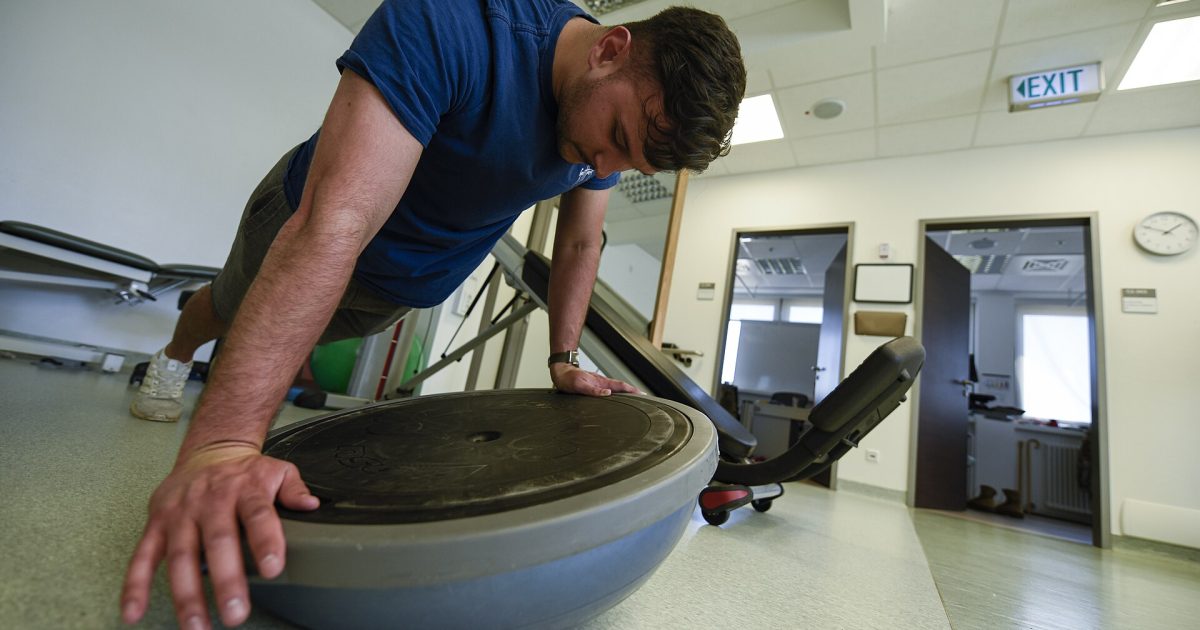
Rehabilitation in China is being reorganised around clinical pathways - agreed, evidence-based sequences of care for a specific condition rather than a set of therapies ordered ad hoc. The 2026 edition of the national rehabilitation clinical pathway guideline sets out how those pathways are built, who runs them, and what a patient should expect from admission to follow-up.
What a clinical pathway actually is
The guideline states four principles. Pathways are evidence-based, drawing on systematic reviews, randomised trials and meta-analyses, with expert consensus filling gaps. They are individualised - the pathway is a default, not a straitjacket, and is adjusted for age, comorbidity and response. They are multidisciplinary, involving rehabilitation physicians, physical, occupational and speech therapists, psychologists, nurses and dietitians. And they run across the full continuum from the acute ward through to community and home rehabilitation.
Conditions covered
Assessment: the starting point
Assessment is repeated. In the acute phase it happens daily; in the recovery phase two or three times a week; and again before discharge to build the home programme.
Goals and intensity
Therapy intensity is specified rather than left open: in the acute phase one to two sessions daily of 30 to 60 minutes; in the recovery phase one to two sessions of 45 to 90 minutes, five to six days a week. Stroke recovery programmes typically run four to eight weeks; spinal cord injury subacute programmes eight to twelve weeks.