STEMI 2025: How a Heart Attack Is Diagnosed and Treated in China
Every minute of delay costs heart muscle. China's 2025 STEMI guideline sets a 10-minute target for the first ECG, 90 minutes from door to balloon, and a clear rule for when thrombolysis should be given instead of waiting for PCI.
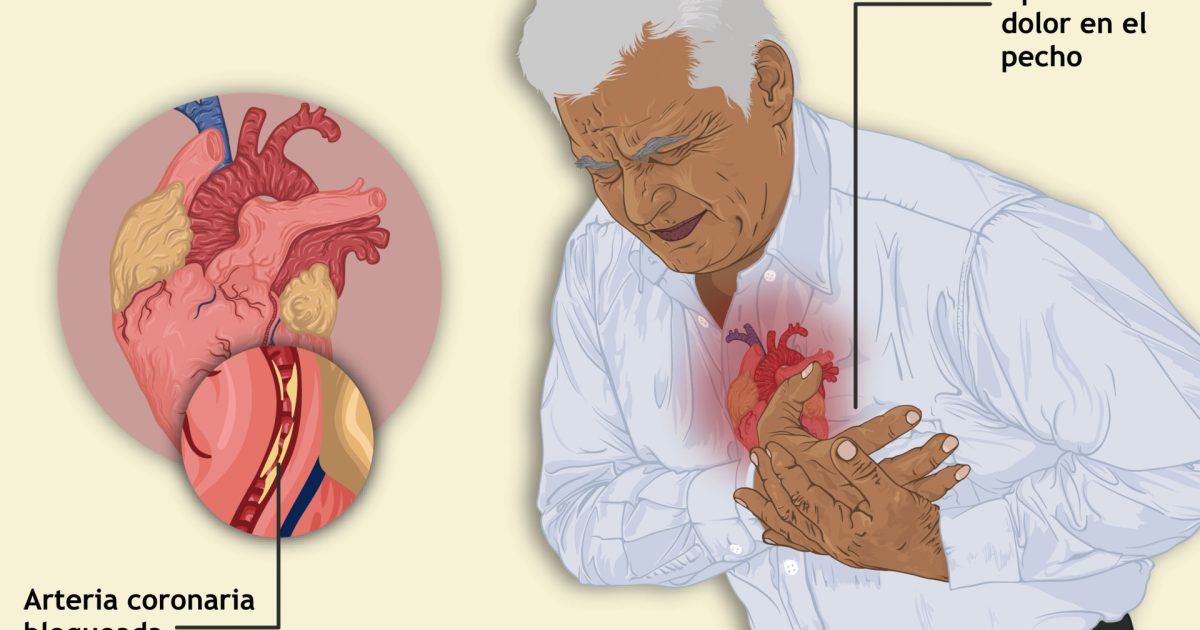
An ST-segment elevation myocardial infarction - a STEMI - is a heart attack caused by the complete blockage of a coronary artery. Unlike other forms of acute coronary syndrome, the diagnosis can be made within minutes from an ECG, and treatment is a race against time. China's 2025 guideline on STEMI diagnosis and treatment is organised around exactly that: how fast the diagnosis is made and how fast the artery is opened.
Making the diagnosis
The first ECG should be recorded within 10 minutes of arrival. The diagnostic criterion is ST-segment elevation at the J point in two adjacent leads - at least 2 mm in leads V2 to V3, at least 1 mm elsewhere - or a new left bundle branch block with ischaemic symptoms. If the first ECG is not diagnostic but suspicion remains high, it is repeated every 5 to 10 minutes, and a full 18-lead recording with posterior and right-sided leads is added to catch posterior or right ventricular infarction.
High-sensitivity cardiac troponin is the preferred biomarker. A negative result within three hours of symptom onset is repeated at three to six hours; a rising or falling pattern above the 99th percentile confirms the diagnosis.
The differential that matters
Reperfusion: PCI or thrombolysis
If PCI cannot be delivered within 90 minutes and the patient is within 12 hours of onset with a low bleeding risk, thrombolysis should be given - and given promptly. Tenecteplase as a weight-banded single bolus is easier to deliver than the alteplase infusion. After thrombolysis, the patient is transferred for angiography within 3 to 24 hours regardless of whether the ECG appears to have responded.
During PCI the operator treats the culprit artery; non-culprit lesions are usually staged later unless the patient is in cardiogenic shock.