STEMI: The Medicines Used in a Heart Attack, and Why Timing Decides
What a ST-elevation myocardial infarction is, the reperfusion options that must happen first, and the antiplatelet, anticoagulant, thrombolytic and secondary-prevention drugs used around them — based on the Chinese rational-medication guideline for primary care.
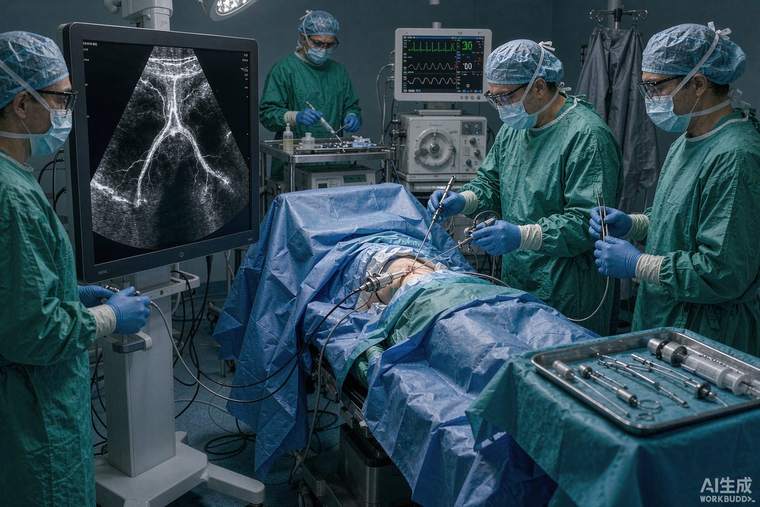
A ST-elevation myocardial infarction (STEMI) is a heart attack caused by sudden, complete blockage of a coronary artery by a clot over a ruptured plaque; the heart muscle supplied by that artery begins to die. Everything in treatment is measured against one principle: restore blood flow as fast as possible, because the amount of muscle saved determines survival and future heart function. Medicines support that goal — they do not substitute for it. This guide summarises the Chinese guideline on rational medication for STEMI in primary care settings.
Reperfusion comes first
Primary percutaneous coronary intervention — opening the artery with a balloon and stent — is the preferred treatment when it can be performed rapidly by an experienced team. Where PCI cannot be delivered within the recommended time window, thrombolysis (clot-busting medicine) is given, ideally as early as possible and generally within 12 hours of symptom onset, followed by transfer to a PCI-capable hospital. The guideline advises preferring fibrin-specific agents — alteplase, reteplase or tenecteplase — which have less effect on systemic clotting than non-specific agents. After successful thrombolysis, patients still go on to angiography, since the underlying narrowing remains.
Antiplatelet therapy
Dual antiplatelet therapy is foundational: aspirin given immediately and chewed for faster absorption, plus a P2Y12 inhibitor — ticagrelor or clopidogrel, with ticagrelor generally preferred in patients undergoing PCI unless bleeding risk or other factors argue against it. This combination is continued for up to a year after stenting, with the duration individualised: shorter for high bleeding risk, longer for high ischaemic risk. Prasugrel is used in specific situations. Glycoprotein IIb/IIIa inhibitors such as tirofiban are reserved for selected patients with heavy clot burden or no-reflow during PCI.
Anticoagulation during the acute phase
An anticoagulant is given alongside antiplatelets during the procedure and hospital stay: unfractionated heparin is traditional and familiar, enoxaparin is an alternative, and bivalirudin is used in selected patients, particularly where bleeding risk is a concern. Dosing is weight-adjusted and, for unfractionated heparin, monitored by activated clotting time or anti-Xa. Fondaparinux has a defined role in patients treated with thrombolysis or not undergoing PCI. Kidney function determines several of these choices.
Medicines that protect the heart afterwards
Beyond opening the artery, a set of medicines improves survival and limits remodelling: a beta-blocker started once the patient is stable, an ACE inhibitor or angiotensin receptor blocker (or an angiotensin receptor–neprilysin inhibitor in selected patients), a high-intensity statin regardless of baseline cholesterol, and a mineralocorticoid receptor antagonist for patients with reduced pumping function, diabetes or heart failure, provided potassium and kidney function allow. Nitrates relieve symptoms; opioids are used cautiously for pain; proton pump inhibitors protect the stomach in patients at high bleeding risk on dual antiplatelet therapy.
After discharge
The critical tasks are adherence and follow-up. Take every medicine as prescribed — stopping antiplatelet therapy early in the first months after a stent is a well-documented cause of stent thrombosis, which is often fatal — attend cardiac rehabilitation, and control blood pressure, lipids, blood glucose and smoking. Ask for a written discharge list with the reason for each medicine, who will adjust doses, and the date of the next cardiology review. Chest pain after discharge must trigger an emergency call, not a clinic appointment.