Dry Eye After Eye Surgery: Prevention, Recognition and Treatment
Why surgery triggers or worsens dry eye, how it is diagnosed, and what treatment and prevention look like — based on the 2021 Chinese expert consensus on surgery-related dry eye.
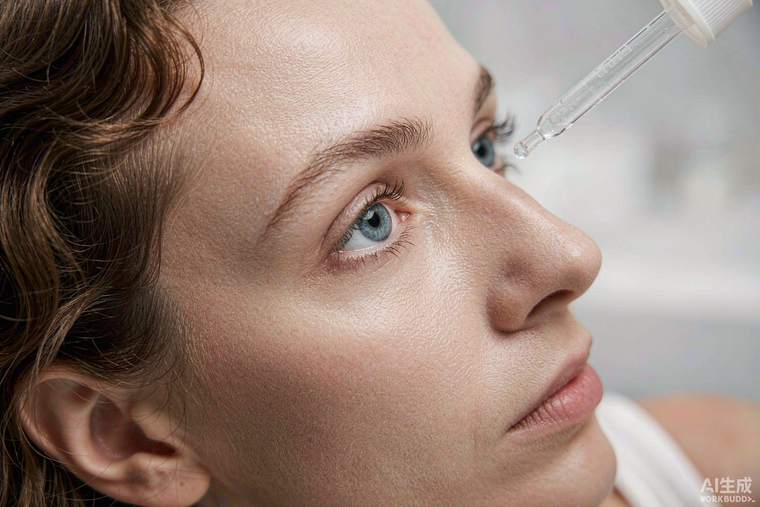
Dry eye is the commonest complication of eye surgery and one of the main reasons a technically successful operation still leaves the patient dissatisfied — vision that is sharp on the chart but fluctuates, gritty and uncomfortable in daily use. It affects patients after cataract surgery, refractive laser procedures, corneal transplantation, glaucoma filtering surgery and retinal surgery. The 2021 Chinese expert consensus on surgery-related dry eye defines the condition, its risk factors, mechanisms and management.
Why surgery causes dry eye
Several mechanisms act together. Incisions — especially corneal incisions and laser-created flaps — cut corneal nerves, reducing the sensory drive that keeps tear production going; the resulting reduced blink and reduced tear secretion can last months. Inflammation from surgical trauma destabilises the tear film. Preserved eye drops used intensively after surgery are toxic to the surface. Pre-existing meibomian gland dysfunction, which is extremely common, is made worse by surgery, lid speculum pressure and postoperative inflammation. The result is a tear film that evaporates too fast and a surface that is inflamed despite feeling "dry".
Recognising it
Symptoms include grit, burning, fluctuating vision that improves with blinking, redness, light sensitivity and — paradoxically — watering, because irritation triggers reflex tearing that does not lubricate properly. Diagnosis uses tear break-up time, corneal and conjunctival staining with fluorescein or lissamine green, the Schirmer test or tear meniscus measurement, and — importantly — assessment of the meibomian glands, since evaporative dry eye from gland dysfunction is the dominant mechanism. Questionnaires such as the Chinese Dry Eye Questionnaire or the Ocular Surface Disease Index quantify symptoms and track change.
Prevention
Prevention starts before the operation. Patients scheduled for eye surgery should be screened for dry eye and lid disease, and existing dry eye treated first — with lubricants, lid hygiene, warm compresses and, where needed, anti-inflammatory drops — for a period before surgery. Surgical technique matters: smaller incisions, careful placement, minimising tissue handling and exposure, and using preservative-free or reduced-preservative medications afterwards all reduce the problem. Patients with diabetes, autoimmune disease, contact lens wear or prior eye surgery need particular attention.
Treatment
Treatment follows severity. Artificial tears — preferably preservative-free if used more than four times a day — are the base; lipid-containing formulations suit evaporative disease. Lid hygiene, warm compresses and gland expression treat the underlying meibomian problem. Anti-inflammatory therapy — short courses of topical steroids, cyclosporine or tacrolimus — treats the inflammatory component and is often what makes the difference in persistent cases. Punctal plugs or moisture-chamber glasses retain tears; autologous serum drops or amniotic membrane are reserved for severe or refractory disease. Most patients improve over three to six months, but some have prolonged symptoms, and managing expectations before surgery is part of good care.
Practical advice
Tell your surgeon about any history of dry eye, contact lens intolerance or lid inflammation before the operation. After surgery, expect to use lubricants regularly rather than only when uncomfortable, avoid air conditioning and screen-heavy environments where possible, and do not rub your eyes. If vision is good but fluctuating weeks after surgery, mention it — it is usually dry eye, and it is treatable.