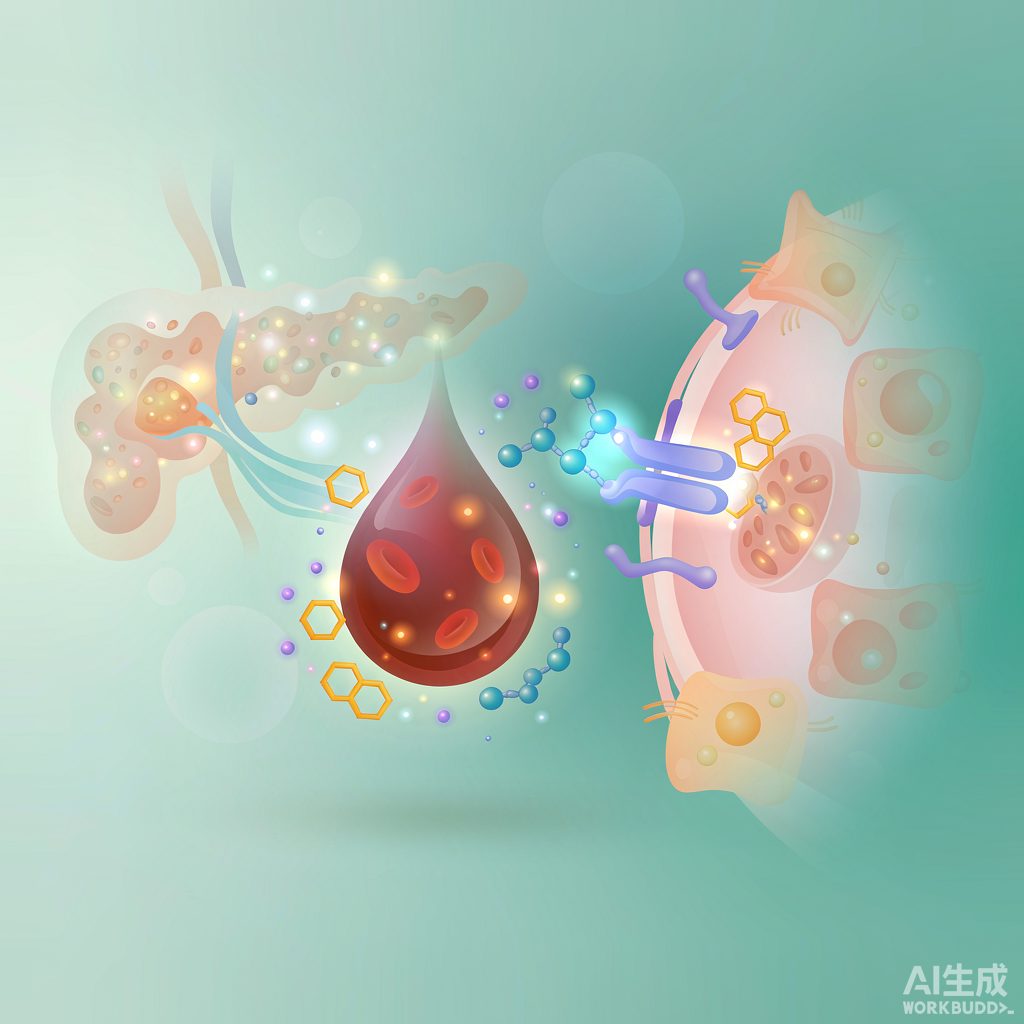
Thrombotic Disorders: Prevention and Treatment
Venous and arterial thrombosis are preventable and treatable; mobility, risk factor control, and timely anticoagulation reduce dangerous clots and recurrence.
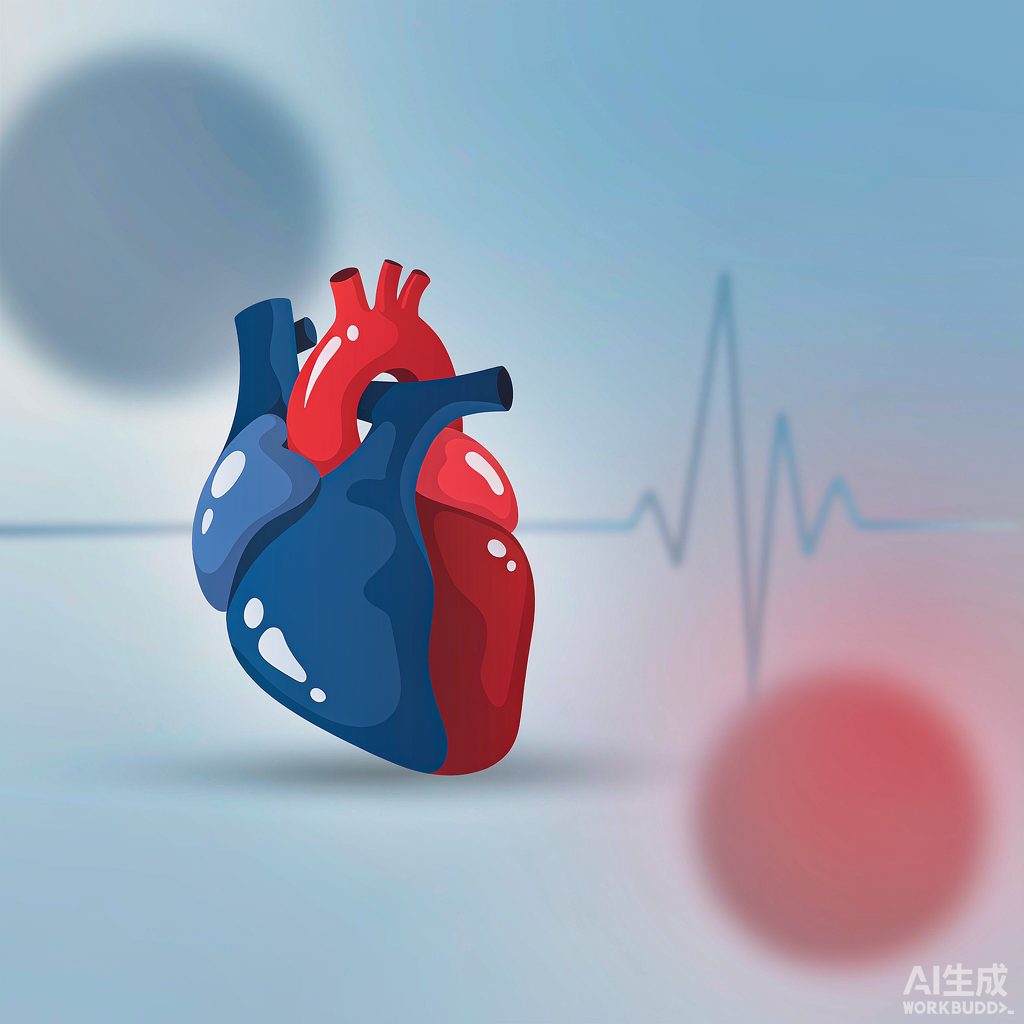
Understanding Thrombosis
Thrombosis is unwanted clotting in blood vessels. Venous thromboembolism affects leg veins and lungs, while arterial clots cause heart attack and stroke.
Who Is at Risk?
Surgery, immobility, cancer, pregnancy, and inherited clotting disorders raise risk. Controlling blood pressure, glucose, and lifestyle lowers arterial clot risk.
Prevention
Early mobilization after illness or surgery helps. In high-risk patients, doctors may advise compression or preventive anticoagulation during hospital stays.
Recognition and Diagnosis
Swollen, painful calves or sudden breathlessness need urgent assessment. Imaging and blood tests confirm clots so treatment can begin without delay.
Treatment
Anticoagulant medicines prevent clot growth and recurrence under medical supervision. Severe cases may need clot dissolving or removal, with follow-up to prevent recurrence.