Benign Prostatic Hyperplasia (BPH): The 2025 Diagnosis and Treatment Guideline
Not every enlarged prostate needs treatment. China's 2025 BPH guideline sets out how severity is scored, which drugs suit which prostate size, and the specific complications that make surgery the right answer.
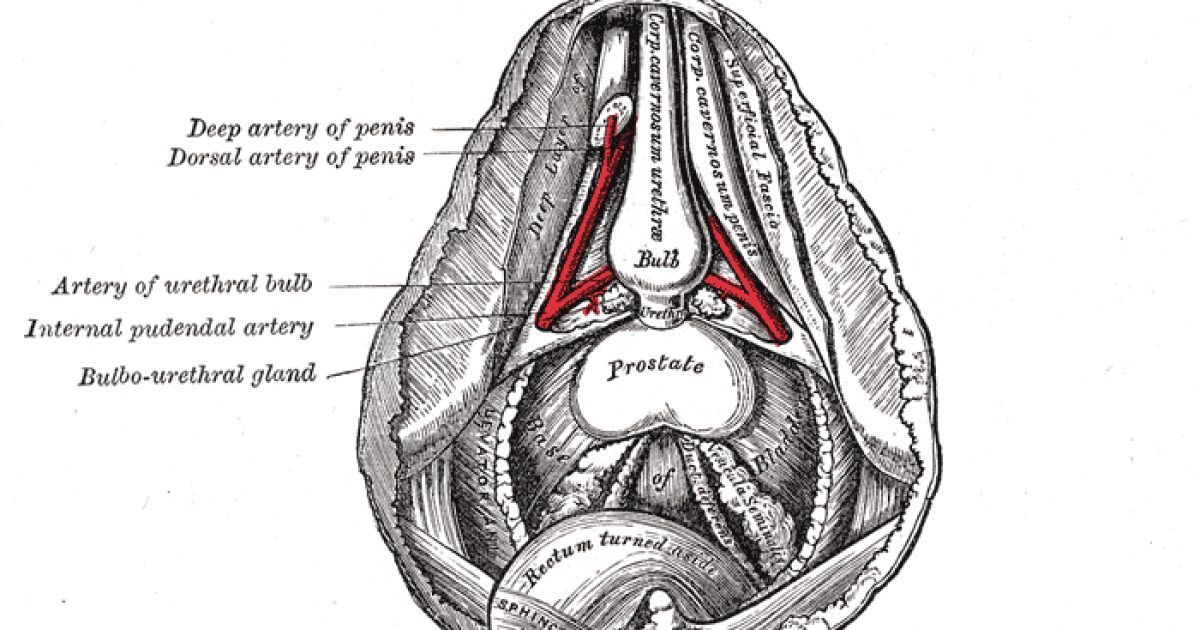
Benign prostatic hyperplasia is the non-cancerous enlargement of the prostate that presses on the urethra and produces lower urinary tract symptoms. It is close to universal with age: more than half of men over 60 are affected, and the figure approaches 80 percent beyond 80. The symptoms fall into two groups - voiding symptoms such as a weak stream, hesitancy and a sensation of incomplete emptying, and storage symptoms such as frequency, urgency and nocturia.
China's 2025 urology guideline on BPH moves the decision-making away from habit and toward measured severity, prostate size and the risk of progression.
How severity is assessed
A digital rectal examination remains the first-line physical assessment. It cannot measure volume accurately - the error can be 30 percent - but it detects nodularity and hardness that would raise concern about cancer. Transrectal or abdominal ultrasound provides the volume, calculated as length times width times height times 0.52, and the post-void residual. Serum PSA is measured to screen for prostate cancer, interpreted against age and prostate size. Urodynamics is reserved for cases where bladder function is in doubt or where symptoms and obstruction do not match.
Watchful waiting is a real option
Drug treatment, matched to the prostate
5-alpha-reductase inhibitors - finasteride or dutasteride - shrink the gland by roughly 20 to 30 percent over 12 months and suit men with a larger prostate or evidence of progression. They take months to work and must be continued. Combination therapy is recommended for men at higher risk of progression and reduces the chance of acute retention substantially.
Antimuscarinics such as tolterodine or solifenacin help men whose storage symptoms dominate, but must not be used when post-void residual is large or the detrusor is weak.
When surgery is the right answer
Transurethral resection of the prostate remains the reference operation for glands under about 80 mL. Holmium laser enucleation removes tissue along the capsule and has a low recurrence rate with less bleeding, which makes it suitable for men on anticoagulants. The guideline's message on surgery is that it should follow defined indications rather than convenience, and the choice of technique should match gland size, bleeding risk and the surgeon's experience.