General Stomatology 2025: How Common Dental Problems Are Diagnosed and Treated
A working guide to everyday dental care in China: how caries, pulpitis, apical periodontitis, gingivitis and periodontitis are diagnosed, and what the standard treatment for each actually involves.
Most dental treatment is not cosmetic and not complex - it is the management of decay, infection of the tooth pulp, and gum disease. China's 2025 general stomatology clinical guideline describes the standard diagnostic and treatment sequence for each of these, and it is a useful reference for anyone trying to understand what a dentist is proposing and why.
Examination and diagnosis
Clinical examination covers oral hygiene, the dentition, the occlusion and a periodontal charting with probing depths and attachment levels. Special tests include pulp vitality testing with cold, heat or electric stimulation, and imaging: periapical films for root and bone detail, panoramic radiography for an overview, and cone-beam CT where three-dimensional information is needed.
Dental caries
Treatment follows depth. Early enamel lesions can be managed with fluoride and remineralisation. Established cavities are restored after removing decay, with a protective base where the pulp is close. Very deep lesions may be managed in two stages - a sedative dressing first, definitive restoration later - and if pulp symptoms develop, root canal treatment becomes necessary.
Pulpitis and apical periodontitis
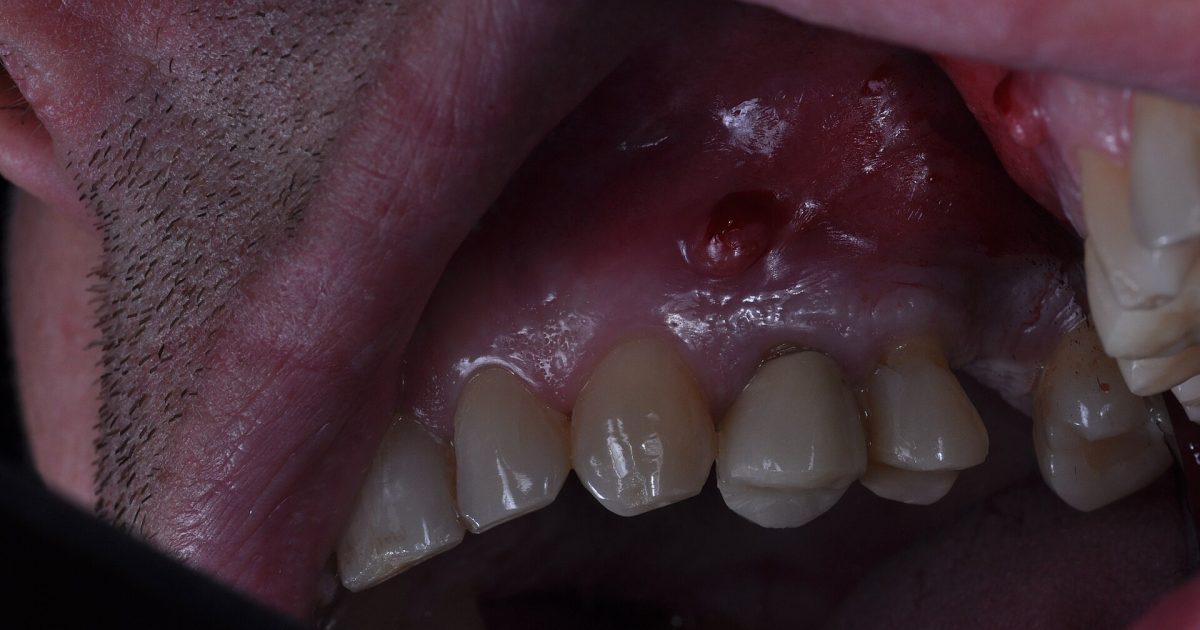
Apical periodontitis causes pain on biting and a sense that the tooth is raised in its socket; the chronic form is often silent, sometimes with a gum boil - a sinus tract. Treatment is again root canal therapy, with incision and drainage if an abscess has formed.
Gum disease
Periodontitis adds pocket formation, attachment loss and bone loss, graded mild, moderate or severe. Initial therapy is scaling, root planing and subgingival debridement. Local antimicrobials such as metronidazole gel and, selectively, systemic antibiotics are adjuncts. Where initial therapy fails, periodontal surgery including flap procedures and bone grafting is considered. Maintenance every three to six months is part of treatment, not an optional extra, because periodontitis recurs without it.