COPD With Pulmonary Aspergillosis: Diagnosis And Care
COPD patients are increasingly affected by pulmonary aspergillosis in several forms; timely imaging, mycology, and targeted antifungals improve outcomes.
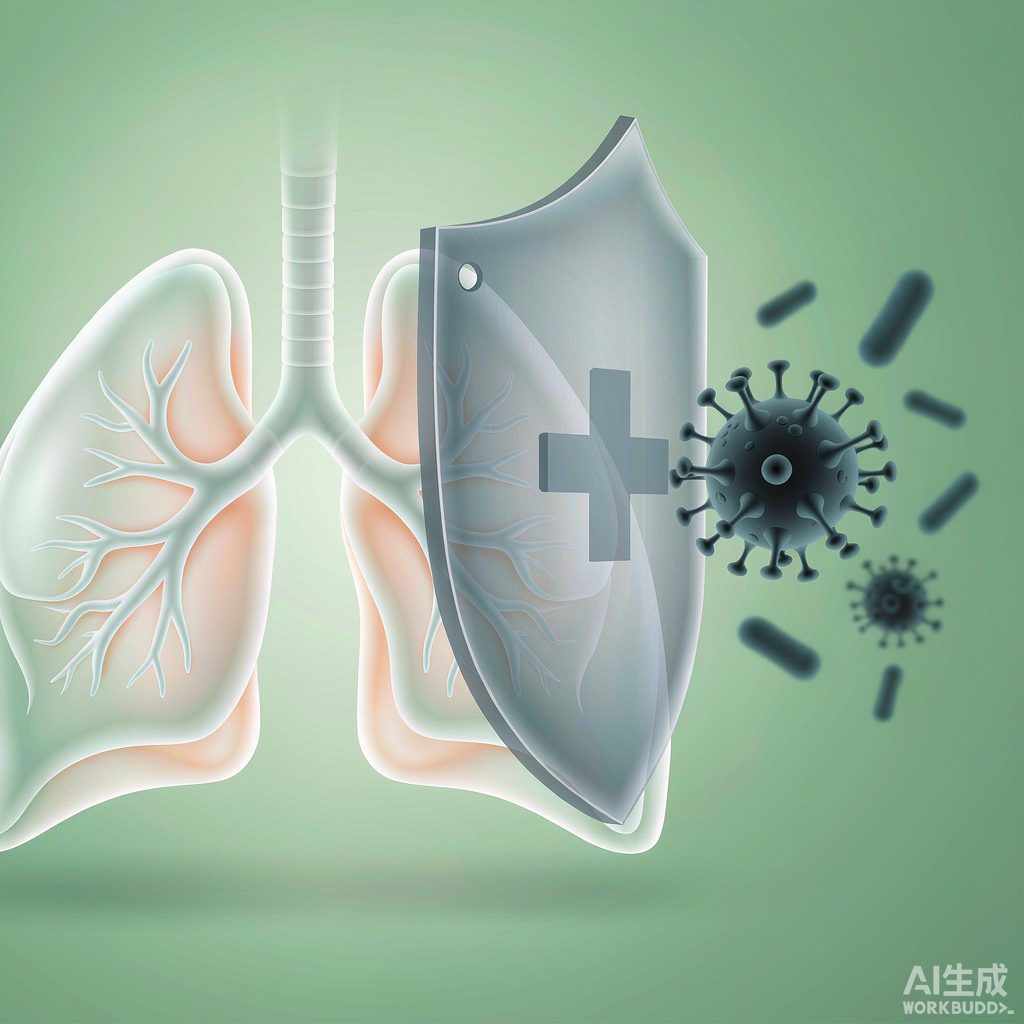
Why COPD Is Vulnerable
People with COPD, especially severe disease, have weak airway defenses. Aspergillus can colonize, sensitize, or invade the lung. Steroids, broad antibiotics, diabetes, and critical illness raise the risk of invasive disease.
Forms Of Disease
COPD-related aspergillosis ranges from invasive pulmonary aspergillosis and subacute invasive forms to chronic pulmonary aspergillosis and ABPA-like allergy. These types can shift as immune status changes, so careful tracking is needed.
Recognizing It
Symptoms such as cough, sputum, and breathlessness often mimic COPD flares. Hemoptysis is suggestive. High-resolution CT and testing of sputum or lung fluid for Aspergillus, including galactomannan, support diagnosis.
Treatment Approach
Voriconazole, isavuconazole, or posaconazole are first-line for invasive disease; echinocandins or amphotericin B are alternatives. Chronic forms often use itraconazole or voriconazole for at least six months. Avoid unneeded steroids.
Practical Notes
Empirical antifungals are not advised for vague symptoms alone. In high-risk, failing cases, early treatment with parallel testing is reasonable. Stopping rules depend on imaging, cultures, and risk-factor control.