Insulin Autoimmune Syndrome: Expert Consensus
Insulin autoimmune syndrome is a rare cause of hypoglycemia from self-insulin antibodies, often triggered by drugs, with a generally favorable recovery.
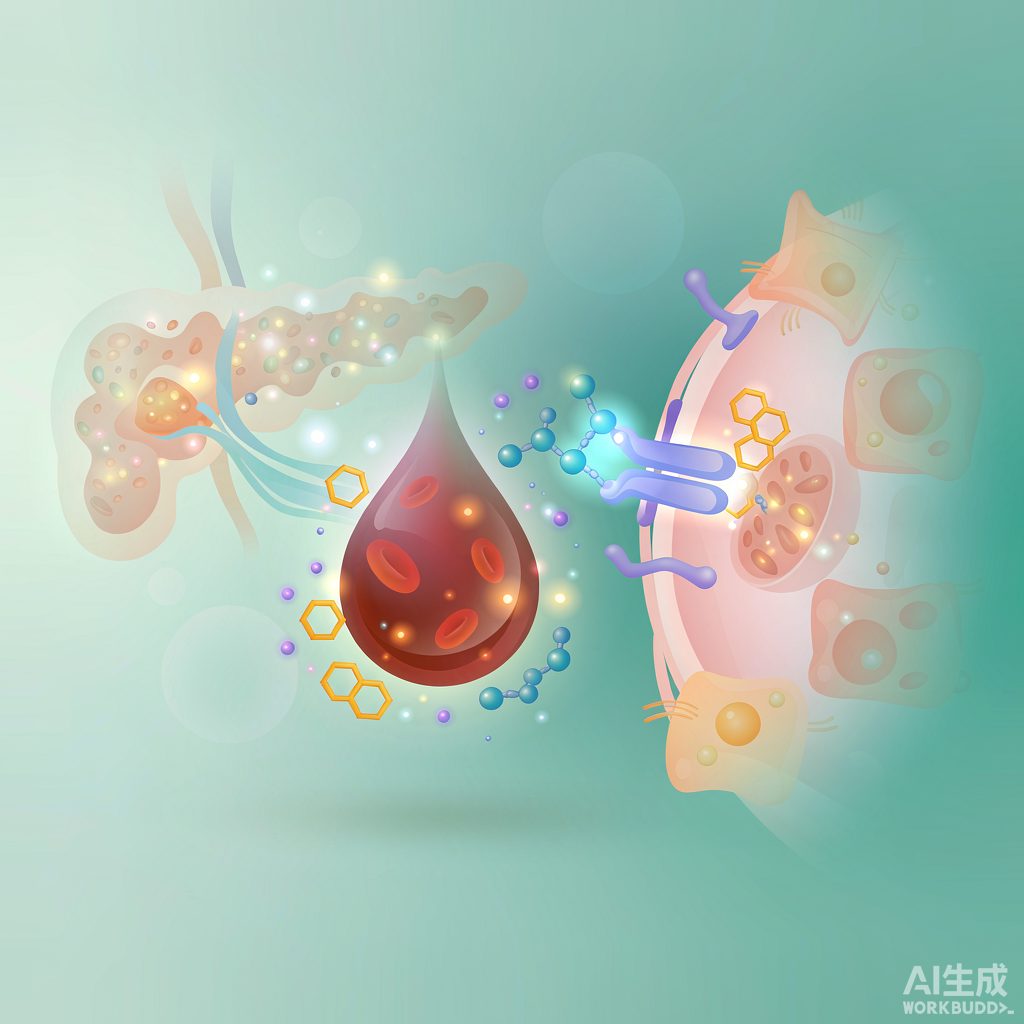
What Is Insulin Autoimmune Syndrome
Insulin autoimmune syndrome is a rare cause of low blood sugar. The body makes antibodies against its own insulin without prior insulin use. It is more common in East Asian populations.
Why It Happens
High levels of insulin autoantibodies trap and release insulin unevenly. This causes spontaneous hypoglycemia or swinging glucose. Some medicines can trigger the condition in susceptible people.
Recognizing The Signs
Attacks of low sugar often occur between meals or after eating. Symptoms include sweating, confusion, and fainting. Severe episodes can be dangerous if not treated.
How It Is Diagnosed
Doctors measure insulin autoantibodies during low sugar. High insulin with low glucose confirms the pattern. Other causes of hypoglycemia must be ruled out first.
Treatment
Stopping any triggering drug is the first step. Frequent small meals help steady blood glucose. Severe cases may need immune-suppressing or other therapy.
Outlook
Most patients recover as antibody levels fall over time. Careful monitoring prevents harm during episodes. The long-term prognosis is generally favorable.