Cushing Disease Expert Consensus 2025
Cushing disease is a pituitary tumor causing excess cortisol; transsphenoidal surgery is first-line, with medicines and close follow-up for recurrence.
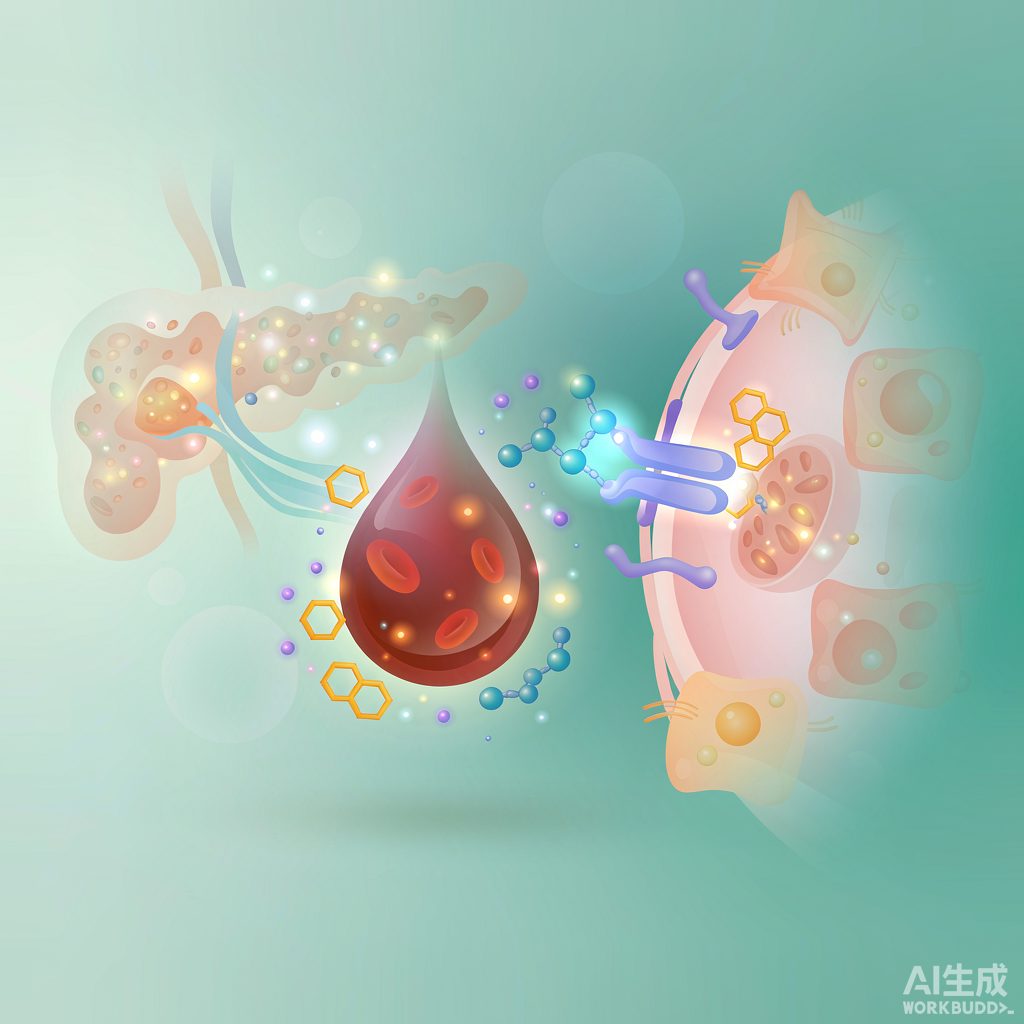
What Is Cushing Disease
Cushing disease is a pituitary tumor that makes too much ACTH. This drives the adrenal glands to release excess cortisol. It causes most cases of endogenous Cushing syndrome.
Signs And Impact
Symptoms include weight gain, thin skin, and high blood pressure. Diabetes, bone loss, and mood changes are common. Untreated disease raises death risk above the general population.
How It Is Diagnosed
Diagnosis is challenging because signs vary in severity. Tests confirm high cortisol and its pituitary source. Imaging helps locate the small tumor in the gland.
Treatment Options
Surgery through the nose is the first-line treatment to remove the tumor. If surgery is not enough, medicines can lower cortisol. Radiation or adrenal surgery are later options.
Follow-Up And Recurrence
Close follow-up checks cortisol and watches for return. Some tumors come back after initial success. Long-term care manages the health problems that remain.
Living With The Disease
Comorbidities need active management by a care team. Restoring cortisol control improves quality of life. Support helps patients cope with lasting effects.