Depression in China: 2025 Prevention and Treatment Guideline
The 2025 Chinese guideline highlights that depression is common yet under-treated, and calls for whole-course, individualized care combining medication, psychotherapy, and social support.
What Is Depression
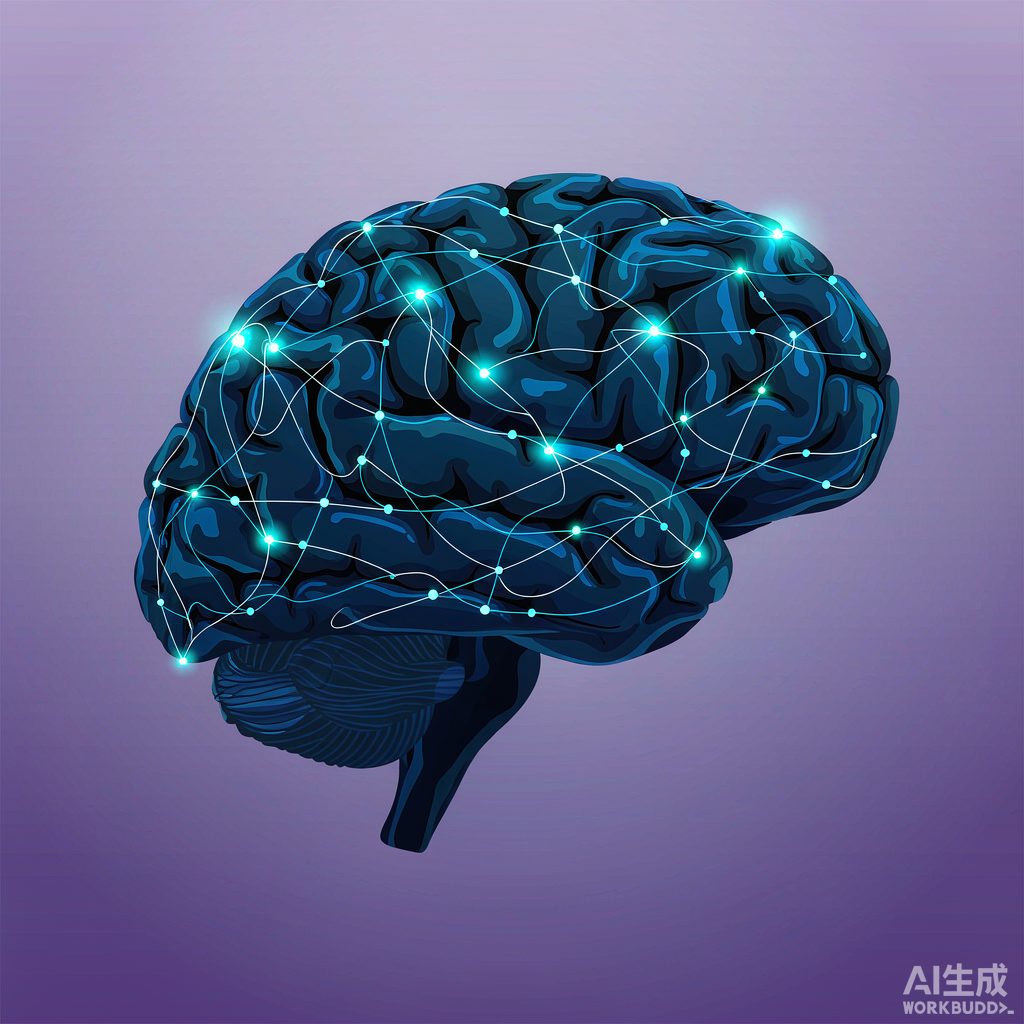
Depression is a common mental disorder marked by low mood, loss of interest, and reduced energy lasting at least two weeks. It affects thinking, sleep, appetite, and daily function.
Who Is at Risk
Risk rises with family history, childhood adversity, chronic stress, and physical illness. Women, young adults, and older people are affected more often. Low social support increases vulnerability.
Assessment and Diagnosis
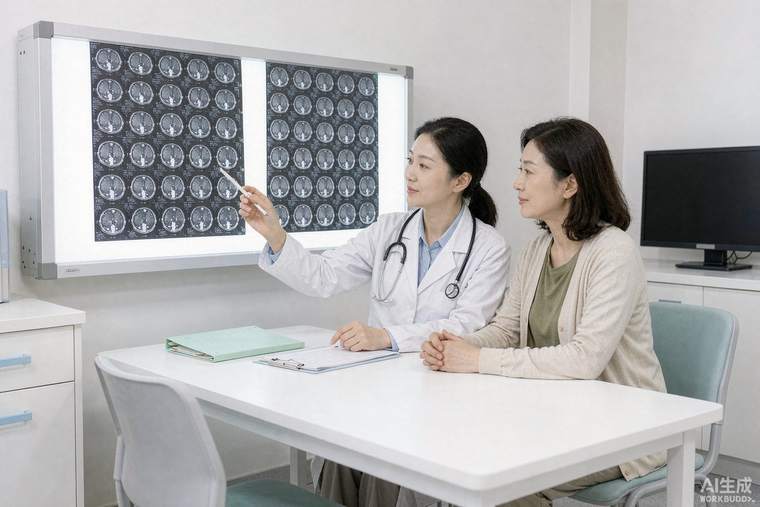
Diagnosis uses clinical interview plus scales such as PHQ-9 or HAMD. A physical check helps rule out thyroid or other causes. Suicide risk should always be assessed and monitored.
Treatment Principles
Care follows full-course treatment: acute, continuation, and maintenance phases. Mild cases may start with psychotherapy; moderate to severe cases usually need medication plus psychological therapy.
Safe and Effective Care
Antidepressants are started low and adjusted slowly. Do not stop them abruptly. Psychotherapy, exercise, and family support improve outcomes. Seek urgent help for suicidal thoughts.
Prevention and Support
Public education, early screening, and strong family support reduce disability. Maintain a healthy routine, stay connected, and follow up regularly to lower relapse risk.