Drug-Induced Liver Injury: Primary Care Diagnosis and Management
DILI mimics every other liver disease and has no single diagnostic test. The Chinese primary care guideline sets out how it is recognised, which drugs are most often responsible in China, and how causality is scored.
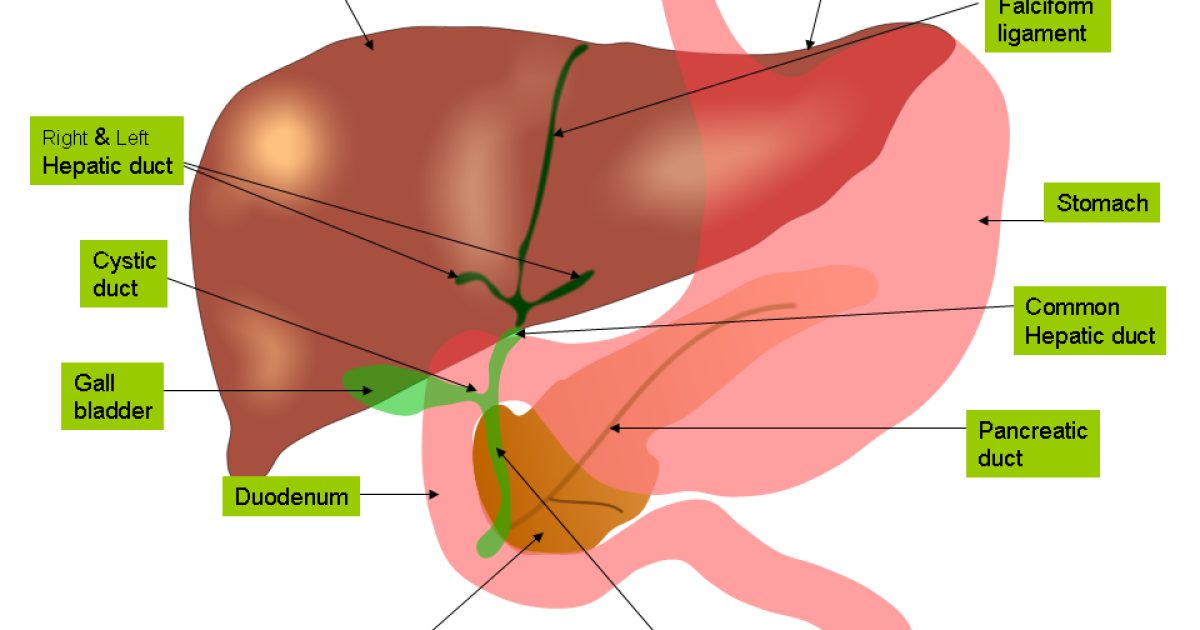
Drug-induced liver injury - DILI - is liver damage caused by a medicine, a biologic, a herbal preparation, a dietary supplement, or their metabolites or contaminants. It is uncommon in absolute terms but common enough that any clinician who prescribes will meet it, and it is a leading cause of acute liver failure referrals in many settings.
The Chinese guideline for DILI in primary care, developed under the Chinese Medical Association with the hepatology drug-induced liver disease study group and general practice representation, is aimed at the front line: how to suspect it, how to establish the diagnosis, how to predict severity, and how to manage follow-up.
Why it is hard
What causes it in China
Patterns of injury
Establishing the diagnosis
Management
Severity is assessed by bilirubin, transaminase level, coagulopathy and the presence of symptoms, and patients meeting criteria for severe injury are referred rather than managed in primary care.