ENT Clinical Practice and Procedure Standards: A Guideline Overview
From head-mirror examination to nasal endoscopy, ear foreign body removal, tympanocentesis and nasal packing - the standard ENT procedures and the safety rules that govern each.
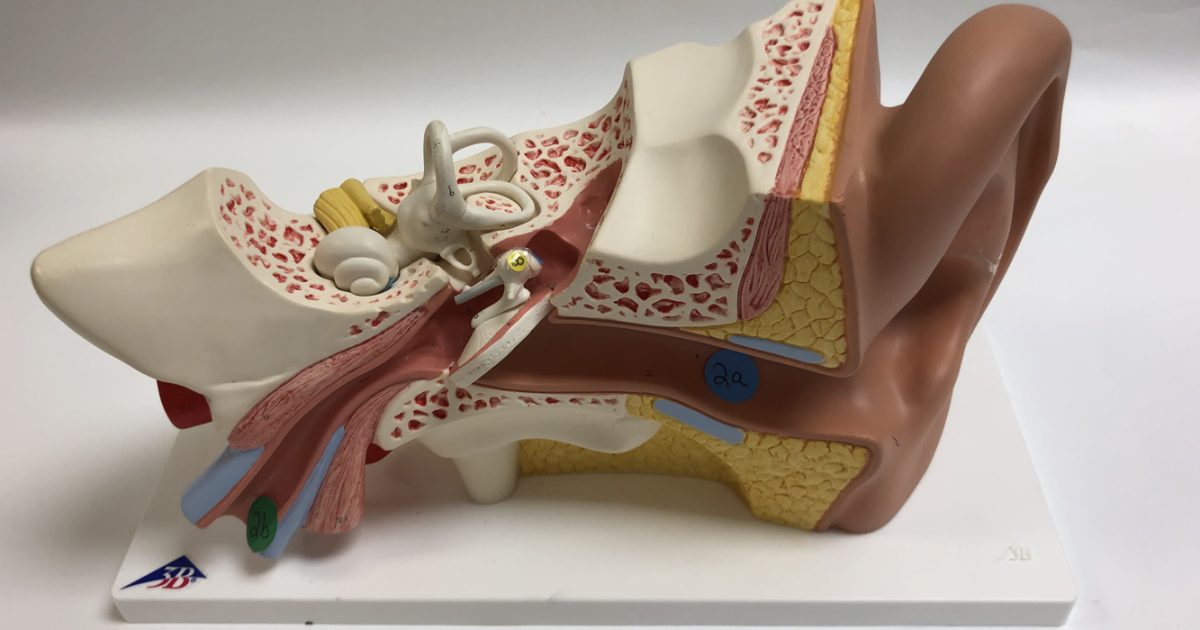
Otolaryngology depends on a set of small, precise procedures that are performed constantly and that carry real risk when done carelessly. The Chinese clinical guideline and operating standards for ENT set out who may perform them, how patients are prepared, and what the individual techniques involve.
Ground rules
Sterility applies to every invasive step - tympanocentesis, nasal packing - with disinfected or sterilised instruments and gloves, mask and cap. Equipment is checked before starting: light source, suction, and the availability of adrenaline and haemostatic materials.
Examination technique
Anterior rhinoscopy uses a nasal speculum inserted parallel to the floor of the nose and never beyond the nasal threshold, opened vertically rather than horizontally, with the patient's head at three successive angles - slightly down, then about 30 degrees back, then about 60 degrees - to see the inferior, middle and superior structures in turn. The speculum is withdrawn without closing the blades, to avoid pulling nasal hairs.
Indirect nasopharyngoscopy uses a warmed mirror placed between the soft palate and the posterior pharyngeal wall, with three positions to view the choanae and posterior turbinates, the eustachian tube orifice and fossa of Rosenmüller, and the nasopharyngeal roof and adenoids. The mirror is warmed to prevent fogging and tested against the back of the hand to avoid a burn, and the tongue depressor is kept to the anterior two-thirds of the tongue to limit gagging.
Nasal endoscopy
Complications are mucosal bleeding, managed with pressure or absorbable haemostatic material, and reactions to local anaesthetic, which require stopping and treating.
Ear procedures
Tympanocentesis for otitis media with effusion is performed after topical anaesthesia of the drum, through the antero-inferior quadrant to avoid the chorda tympani and the round window, at about 45 degrees, aspirating fluid slowly. Recurrent effusion is an indication for grommet insertion rather than repeated aspiration.