Oral and Maxillofacial Infections: Diagnosis and Treatment Guide
Infections from a tooth can spread into the deep fascial spaces of the face and neck. This guide sets out how they are staged, which antibiotics fit which severity, and when drainage is mandatory.
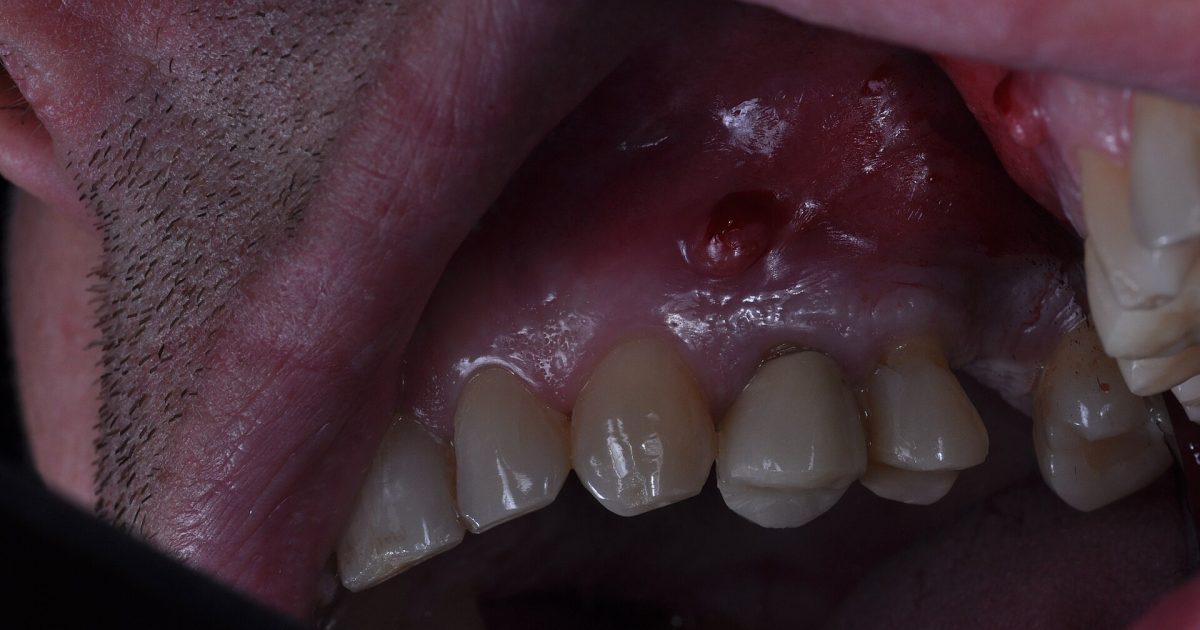
An infection that starts in a tooth can spread well beyond the mouth. Because the face and neck contain a series of potential fascial spaces that communicate with each other, a dental abscess can become a multi-space infection, and occasionally a life-threatening one. The clinical guideline for oral and maxillofacial infection in China is built around recognising that progression early.
What turns up in practice
Microbiology
Resistance is a real constraint. Surveillance data cited in the guideline show high resistance to penicillins and substantial resistance to clindamycin and fluoroquinolones among isolates from these infections, while metronidazole resistance in anaerobes remains low.
How infection spreads
Spread occurs by direct extension from a periapical lesion through bone, by lymphatics to regional nodes, occasionally by blood, and along neurovascular bundles toward the cavernous sinus or the mediastinum - the two routes that make this condition dangerous.
Recognition
Investigations are white cell count with differential, C-reactive protein and procalcitonin, blood cultures during rigors, contrast CT as the principal imaging modality, ultrasound for superficial collections, MRI for deep or intracranial extension, and pus culture with both aerobic and anaerobic incubation at the time of drainage.
Severity is graded with scores such as MEWS and SOFA, because the decision to escalate depends on physiology rather than on the size of the swelling.
Treatment
Antibiotics are empirical at first and then targeted. Mild infection such as pericoronitis is treated with oral amoxicillin-clavulanate, or clindamycin in penicillin allergy. Moderate single-space infection is treated with intravenous cefuroxime plus metronidazole. Severe multi-space infection, or infection where MRSA is a concern, requires broader cover such as a carbapenem, or vancomycin with metronidazole. Courses run seven to ten days, extended to two to four weeks where osteomyelitis is present.