Hepatic Encephalopathy in Cirrhosis: The 2024 Chinese Guideline
Covert hepatic encephalopathy affects up to half of cirrhosis patients and is missed without testing. The 2024 guideline explains the ammonia and inflammation mechanisms, the SONIC grading, and treatment and prevention.
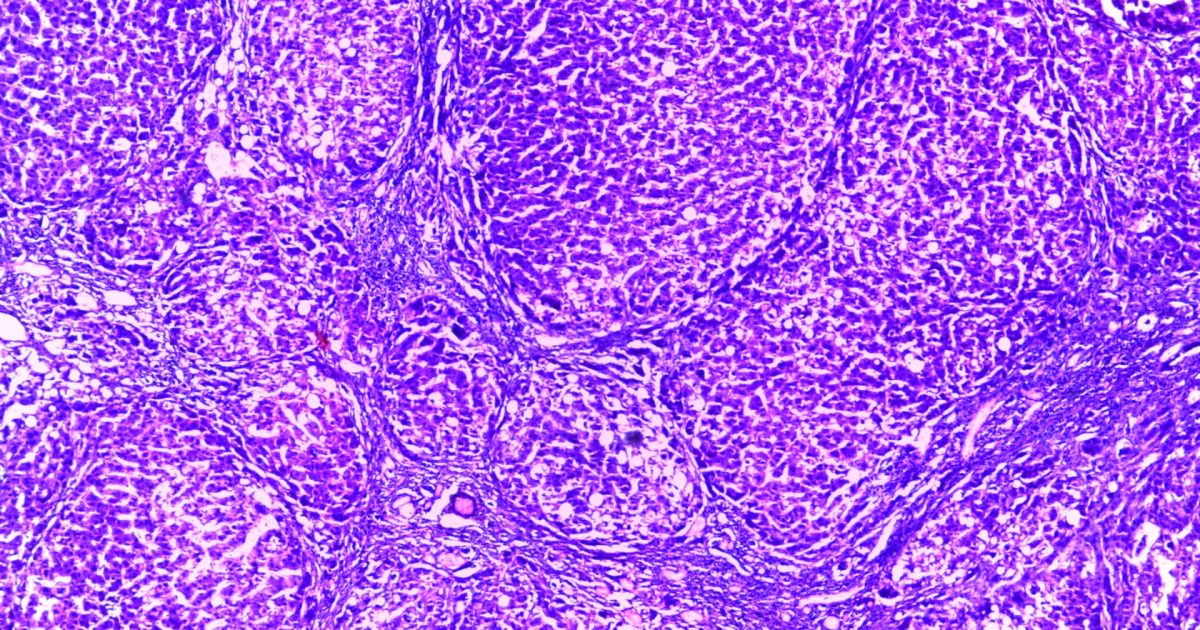
Hepatic encephalopathy is brain dysfunction caused by liver insufficiency and portosystemic shunting. It ranges from changes detectable only on neuropsychological testing to deep coma, and it is an independent predictor of death in cirrhosis. The 2024 revision of the Chinese guideline on hepatic encephalopathy in cirrhosis updates the 2018 version and covers epidemiology, mechanisms, diagnosis, treatment and both primary and secondary prevention.
How common it is
In China the underlying causes remain dominated by hepatitis B cirrhosis, with alcoholic, drug-induced and autoimmune liver disease - particularly primary biliary cholangitis - and metabolic fatty liver disease making up a growing share.
Mechanisms
Inflammation acts synergistically. Inflammatory cytokines increase blood-brain barrier permeability, allowing ammonia and other toxins into the brain, while hyperammonaemia impairs neutrophil function and promotes oxidative stress - a self-reinforcing loop. Infection, especially spontaneous bacterial peritonitis, is a major driver.
Other mechanisms include aromatic amino acid imbalance with false neurotransmitters, increased GABAergic tone - which is why benzodiazepines precipitate encephalopathy and flumazenil can reverse it - manganese deposition and brainstem reticular dysfunction.
Recognising it
The guideline also frames HE within the course of decompensation: covert HE is a subclinical decompensation, overt HE is a first decompensation, recurrent HE is progressive decompensation, and recompensation is possible when the cause is controlled and HE has not recurred for more than twelve months after stopping therapy.
Treatment
Precipitants matter more than anything else. Infection, gastrointestinal bleeding, electrolyte and acid-base disturbance, large-volume paracentesis, excessive protein intake, hypovolaemia, diuretics, diarrhoea, vomiting, constipation, and sedatives - particularly benzodiazepines - all precipitate episodes. Proton pump inhibitors are associated with increased risk through small bowel bacterial overgrowth.
Standard pharmacological treatment is lactulose or lactitol to acidify the colon and promote ammonia excretion, with rifaximin added or substituted, particularly for prevention of recurrence. L-ornithine-L-aspartate and branched-chain amino acids have roles in specific situations.
Prevention
Secondary prevention after an overt episode uses continuing lactulose with or without rifaximin, with nutritional support and avoidance of protein restriction, since malnutrition in cirrhosis is itself harmful.