Hypertensive Disorders of Pregnancy: Chinese Guideline for Diagnosis and Management
China's guideline for hypertensive disorders of pregnancy defines pre-eclampsia by organ involvement rather than proteinuria alone, sets blood-pressure targets for pregnancy, and gives exact magnesium sulfate and delivery-timing rules.
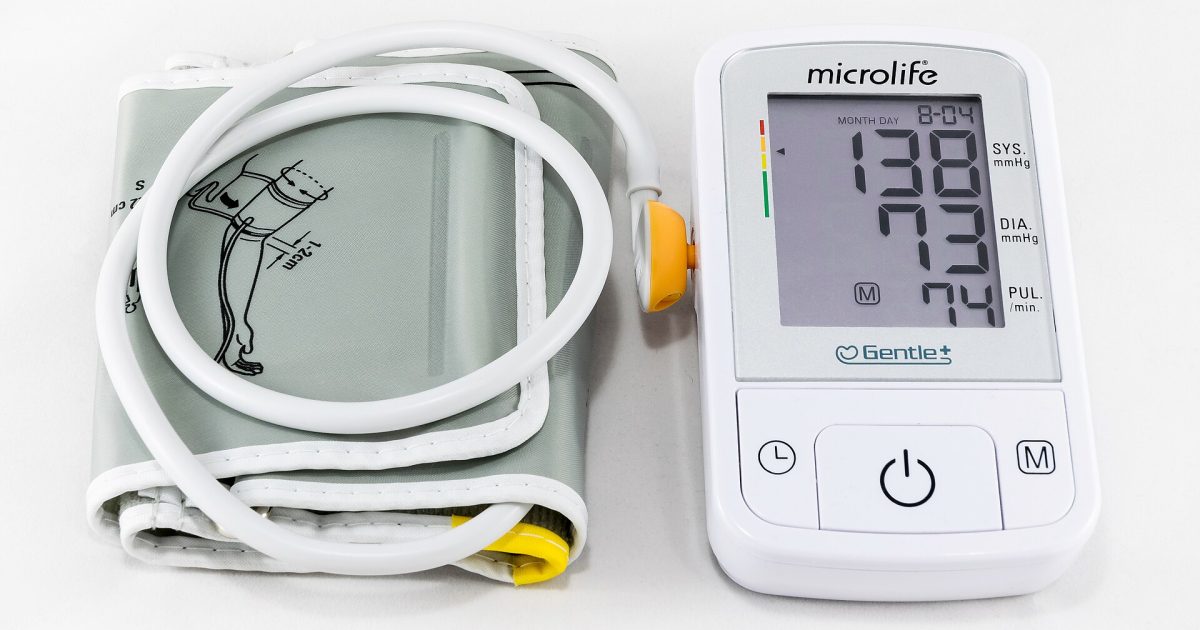
Hypertensive disorders complicate a significant share of pregnancies and remain a leading cause of maternal and perinatal serious outcomes. The modern Chinese guideline - the 2025 revision from the Chinese Medical Association, updated with 2026 practice points - restructures the classification around organ involvement and is explicit about when to deliver rather than how long to prolong pregnancy.
Getting the measurement right
Proteinuria is best assessed with a random urine protein-to-creatinine ratio of 0.3 g/g or more, or 0.3 g or more over 24 hours.
The five categories
Pre-eclampsia is new hypertension after 20 weeks plus at least one feature of organ involvement: proteinuria, platelets below 100 x 10^9/L, liver transaminases at least twice the upper limit of normal, creatinine above 97 micromol/L or a rise of 26.5 micromol/L, pulmonary oedema, new neurological symptoms such as headache or visual disturbance, or persistent epigastric or right-upper-quadrant pain.
Eclampsia is pre-eclampsia with seizures that have no other explanation. Chronic hypertension with superimposed pre-eclampsia is diagnosed when a woman with chronic hypertension develops new or worsening proteinuria or new organ involvement. Chronic hypertension in pregnancy predates 20 weeks or persists beyond 12 weeks postpartum.
Monitoring mother and baby
Treatment
Magnesium sulfate is the key drug that changes outcomes. It is given to prevent seizures in pre-eclampsia with severe features and for the treatment of eclampsia - a loading dose of 4 to 6 g intravenously followed by 1 to 2 g per hour, continued for 24 hours after delivery or after the last seizure.
Timing of delivery
Mode of delivery follows obstetric indications; caesarean section is not automatic.
After birth and prevention
For prevention, women at high risk - previous pre-eclampsia, chronic hypertension, diabetes, renal disease, autoimmune disease, multiple pregnancy, BMI of 35 or above - are advised low-dose aspirin from 12 to 16 weeks until delivery. Calcium supplementation of 1.5 to 2 g daily is recommended where baseline intake is low.