Panvascular Disease And Metabolic Care: China 2024 Consensus
This 2024 Chinese consensus calls for team-based control of diabetes, obesity, lipids, and blood pressure to protect the heart, brain, and legs from vascular disease.

Understanding Panvascular Disease
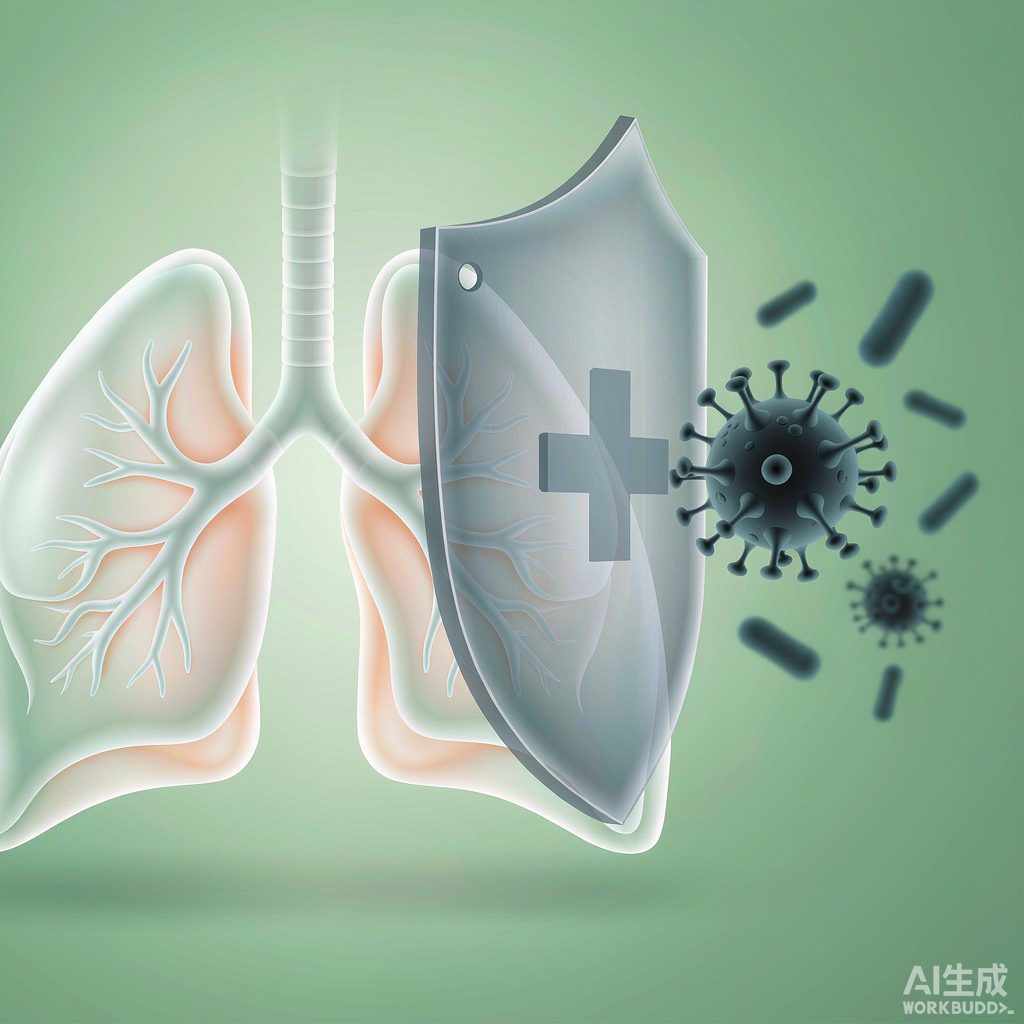
Panvascular disease affects the whole vascular system, including arteries, veins, and lymph vessels. About 95 percent is based on atherosclerosis.
It can involve one territory or several at once, such as the heart, brain, and legs. Managing shared risk factors is the key to prevention.
Metabolic Risk Factors
Diabetes, obesity, abnormal lipids, high blood pressure, high uric acid, and high homocysteine all drive vessel damage. Together they raise cardiovascular risk most.
These factors act through insulin resistance, inflammation, and endothelial injury. Controlling them protects the heart, brain, and kidneys.
Lifestyle First
A heart-healthy diet such as the Mediterranean or Jiangnan pattern helps. Reduce salt, saturated fat, and sugar while increasing vegetables and whole grains.
Aim for regular aerobic activity, stop smoking, limit alcohol, sleep six to eight hours, and manage stress. Weight loss of 5 to 10 percent is beneficial.
Blood Sugar And Weight
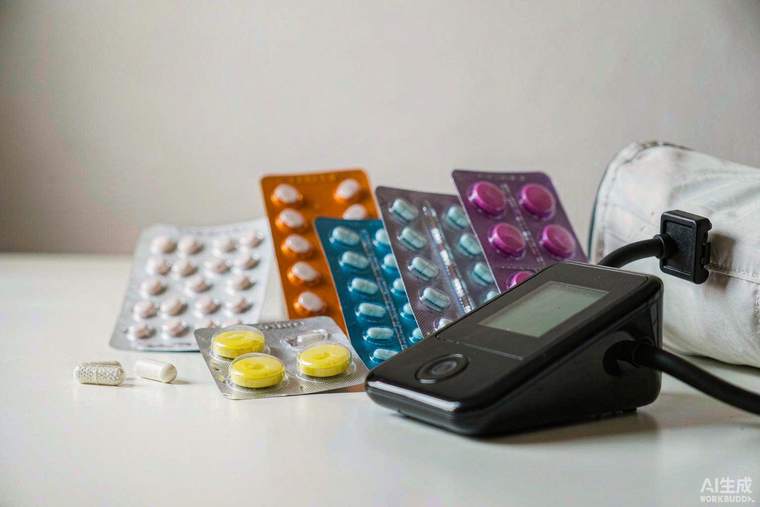
For diabetes with vascular disease, aim for HbA1c under 7 percent, individualized by age and risk. Medicines with proven heart benefit are preferred.
GLP-1 receptor agonists and SGLT2 inhibitors are favored. Keep body mass index in the 18.5 to 23.9 range when overweight.
Lipid Targets
Lowering LDL cholesterol is the main goal. Very high-risk patients target under 1.8 mmol/L and extremely high-risk under 1.4 mmol/L, with a large drop from baseline.
Non-HDL cholesterol is used when triglycerides or diabetes are present. Statins remain the foundation, with other drugs added as needed.