Pelvic Inflammatory Disease: China's 2023-2025 Diagnosis and Treatment Guideline
PID is treated on clinical grounds, not on waiting for test results. The Chinese guideline sets a low threshold for starting antibiotics, defines who needs admission, and requires partners to be treated at the same time.
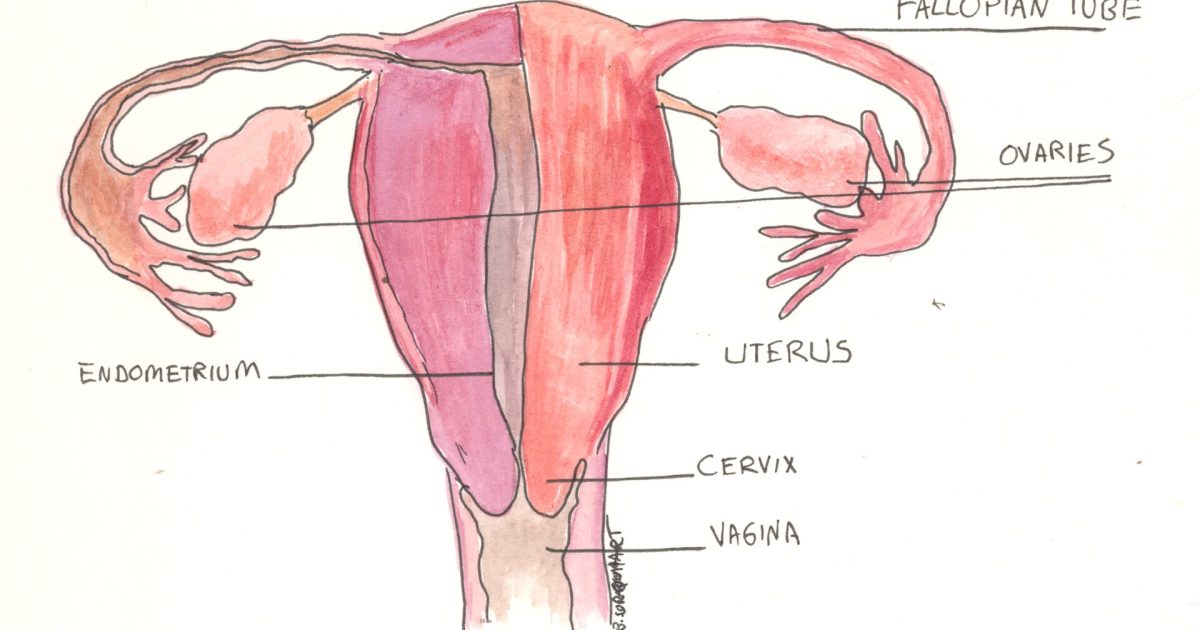
Pelvic inflammatory disease (PID) is an infection of the upper genital tract - the uterus, fallopian tubes and surrounding pelvic structures. It is almost always the result of bacteria travelling upward from the cervix, and it matters because delayed or incomplete treatment is one of the commonest preventable causes of infertility and ectopic pregnancy.
China's 2023-2025 clinical guideline for PID was written to standardise diagnosis and treatment, because the condition is frequently missed in its milder forms and frequently over-treated with the wrong antibiotic spectrum in its more severe forms.
Why it is easy to miss
How the diagnosis is made
Additional criteria raise the level of certainty: oral temperature above 38.3 degrees Celsius, purulent cervical discharge or excess white cells on a vaginal smear, a raised erythrocyte sedimentation rate or C-reactive protein, and laboratory confirmation of cervical Neisseria gonorrhoeae or Chlamydia trachomatis. Specific criteria - endometrial biopsy showing endometritis, ultrasound or MRI showing a thickened fluid-filled tube or tubo-ovarian abscess, or laparoscopic findings - confirm the diagnosis.
Investigations in practice are nucleic acid amplification testing for gonorrhoea and chlamydia, transvaginal ultrasound, and blood tests. Laparoscopy remains the most accurate diagnostic tool and is both diagnostic and therapeutic when an abscess needs drainage.
Differential diagnosis
Treatment: start early, cover broadly
For outpatient treatment of mild to moderate disease, the recommended regimen is a single intramuscular dose of ceftriaxone plus oral doxycycline for 14 days, with metronidazole added to cover anaerobes. Cefoxitin with probenecid is an alternative.
Severe disease, pregnancy, a tubo-ovarian abscess, or failure to improve on oral therapy all call for admission. Inpatient regimens use intravenous cephalosporins with doxycycline, or clindamycin with gentamicin, stepped down to oral therapy after sustained clinical improvement.
Two details are emphasised throughout: the antibiotic course must cover gonorrhoea, chlamydia and anaerobes simultaneously because mixed infection is the norm; and sexual partners must be examined and treated at the same time, otherwise reinfection is almost inevitable.