Primary Aldosteronism: 2025 Endocrine Society Guide For Patients
The 2025 guideline advises screening all adults with high blood pressure for primary aldosteronism, using a blood ratio test and adrenal vein sampling to guide surgery or medicine.
What Is Primary Aldosteronism
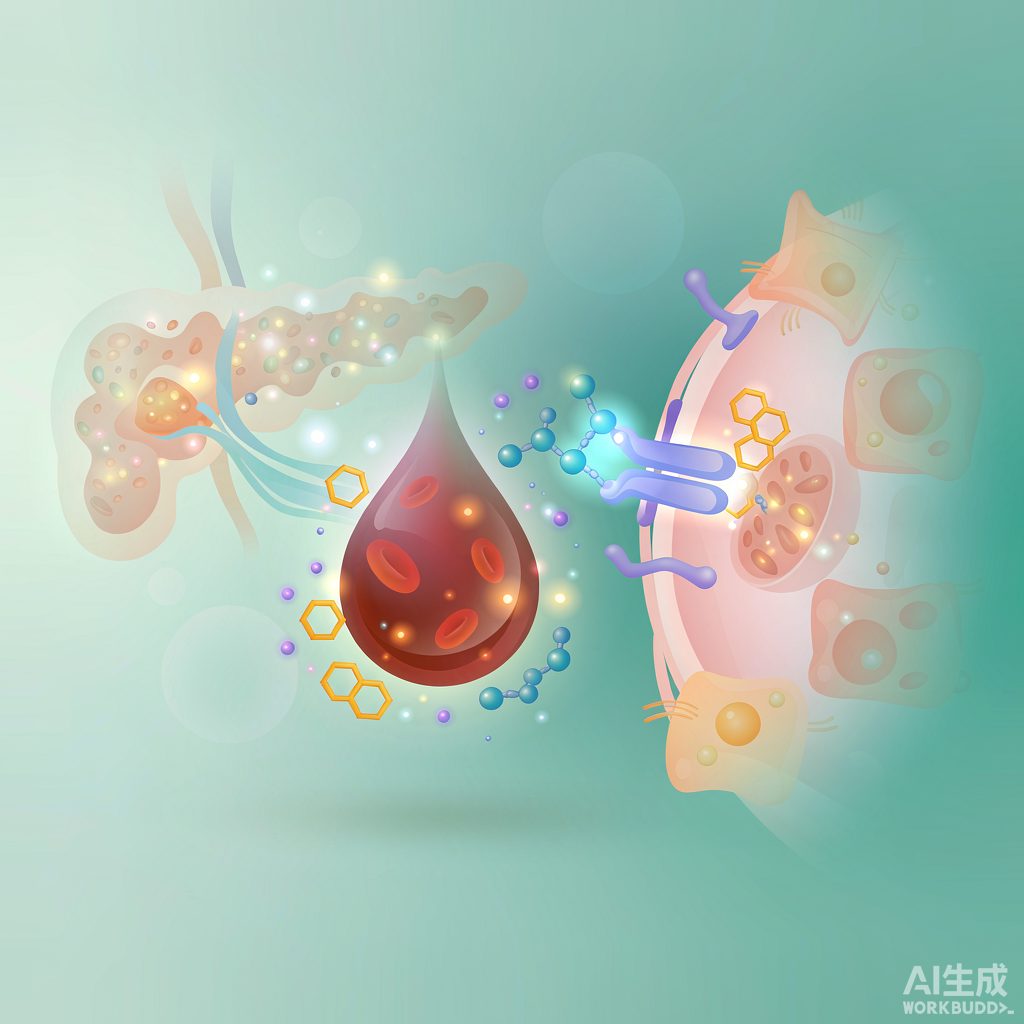
Primary aldosteronism is a leading cause of secondary hypertension. The adrenal glands release too much aldosterone, which raises blood pressure and lowers blood potassium.
It is widely underdiagnosed, with more than 90 percent of cases missed. Early detection helps prevent heart and kidney damage.
Who Should Be Screened
The 2025 guideline advises screening all adults with high blood pressure, including mild stage 1 hypertension. Earlier rules limited testing to high-risk groups.
Priority groups are people under 40, those with resistant hypertension, and anyone with low potassium. Mass spectrometry now improves test accuracy.
How Diagnosis Is Confirmed
The aldosterone-to-renin ratio is the first screening test. A salt-loading or captopril test then confirms excess aldosterone production.
Adrenal vein sampling is the gold standard to tell one-sided from two-sided disease. Imaging such as CT or MRI shows the adrenal glands.
Treatment Approaches
One-sided disease is usually treated with surgery to remove the affected adrenal gland. Two-sided disease is managed with mineralocorticoid receptor blocker medicines.
Spironolactone or eplerenone are common long-term options. Doctors adjust the dose by blood pressure, potassium level, and patient tolerance.
Daily Self-Care
Keep sodium intake below 2 grams per day and exercise about 150 minutes weekly. Maintain a body mass index under 25 if that is achievable.
Check blood pressure and potassium regularly and report muscle weakness. Follow-up visits are generally needed every three to six months.