Practical Adults 4 min read

Rehabilitation Technology in Practice: Evidence-Based Application Guide

From robot-assisted gait training to transcranial magnetic stimulation and home cardiac rehab, this guide sets out which rehabilitation technologies have real evidence, the doses used, and the safety limits.
Updated 2025-08-01 · Reviewed for clinical accuracy
Rehabilitation Technology in Practice: Evidence-Based Application Guide

Rehabilitation is no longer only hands and exercise mats. Robotics, electrical stimulation, brain stimulation and remote monitoring are now part of routine practice in Chinese rehabilitation departments, and the national guideline on clinical application of rehabilitation technology exists to say which of these tools have evidence behind them, how they should be dosed, and where the safety limits are.

How the evidence is graded

Five categories of technology

Principles that govern use

Neurological rehabilitation

For spinal cord injury, intermittent catheterisation every four to six hours plus pelvic floor stimulation keeps urinary infection rates low. Spasticity is managed with oral baclofen combined with botulinum toxin injections into targeted muscles. Body-weight-supported gait training starts with 30 to 50 percent of weight unloaded.
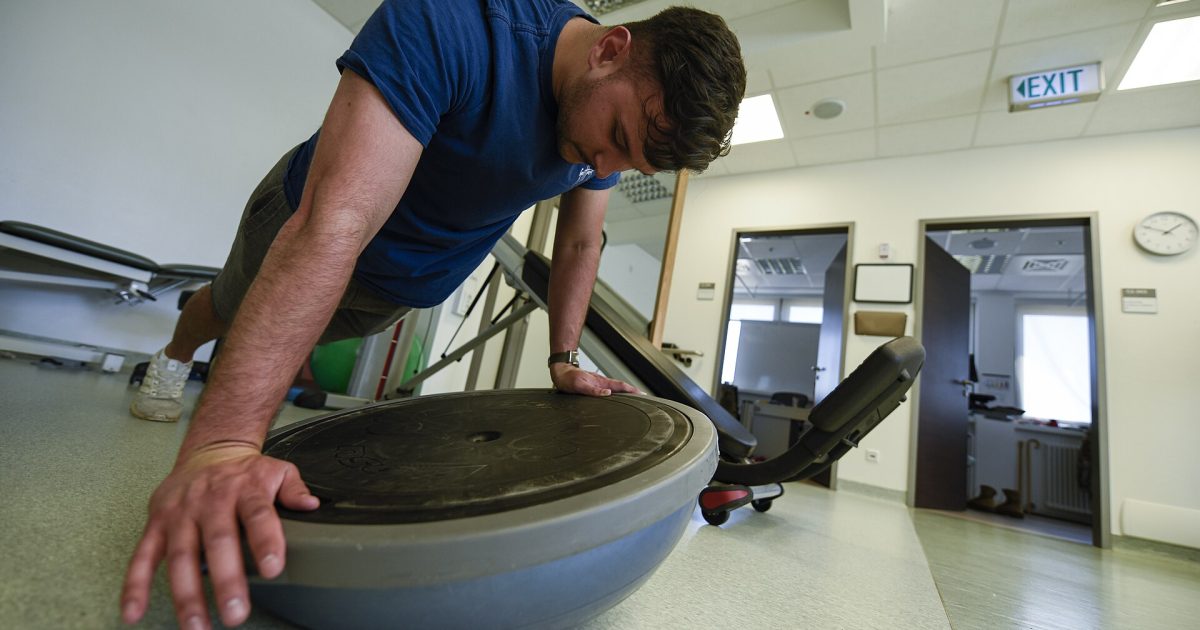
musculoskeletal rehabilitation

Cardiopulmonary rehabilitation

Paediatric and geriatric applications

What to look for in a programme

In short

“Rehabilitation Technology in Practice: Evidence-Based Application Guide” is part of iMedCompanion’s plain-language library for international patients travelling to China for care. It explains what usually happens, what to prepare, and where to find related specialists and hospitals.

Key facts

  • Published in English
  • Reading time shown on every guide
  • Links to related specialists and hospitals
  • Reviewed for clinical accuracy

Frequently asked questions

Is this guide medical advice?

No. It explains what usually happens so you can ask better questions; decisions are made with your own specialist.

Can I get the guide in Chinese?

The guides are published in English; interpretation and translation are arranged as a separate service.

How do I find a specialist for this?

Each guide links to related specialists and hospitals, or you can send an enquiry and a medical advisor will match you.

Keep reading

Related guides

All medical guides →
Live Chat