Interventional Ultrasound 2025: Clinical Applications and Safety Standards
The 2025 Chinese interventional ultrasound guideline defines equipment standards, aseptic technique, path planning rules, and the biopsy technique - fine-needle or core - that gives the best diagnostic yield by organ.
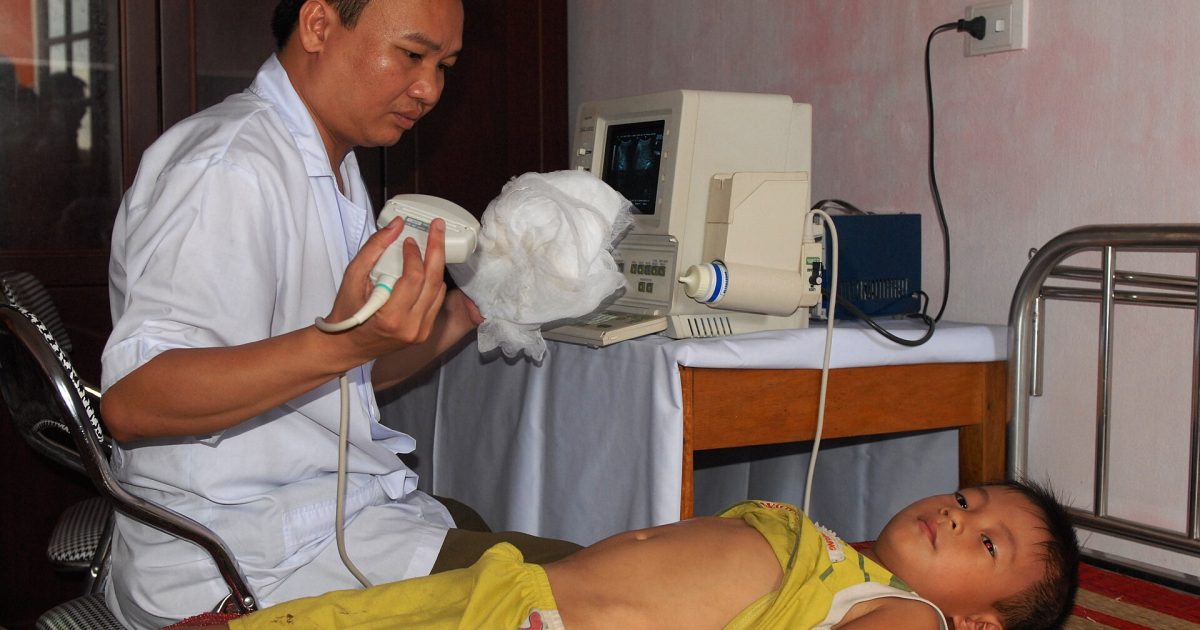
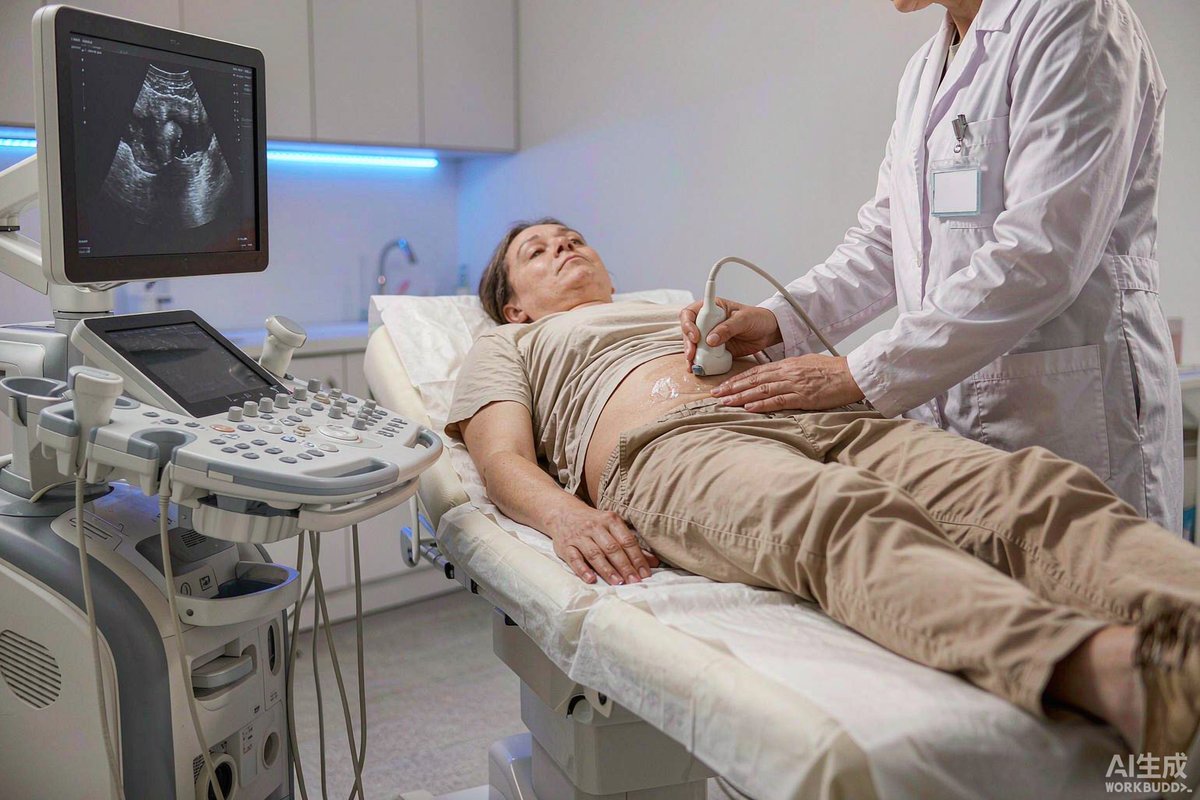
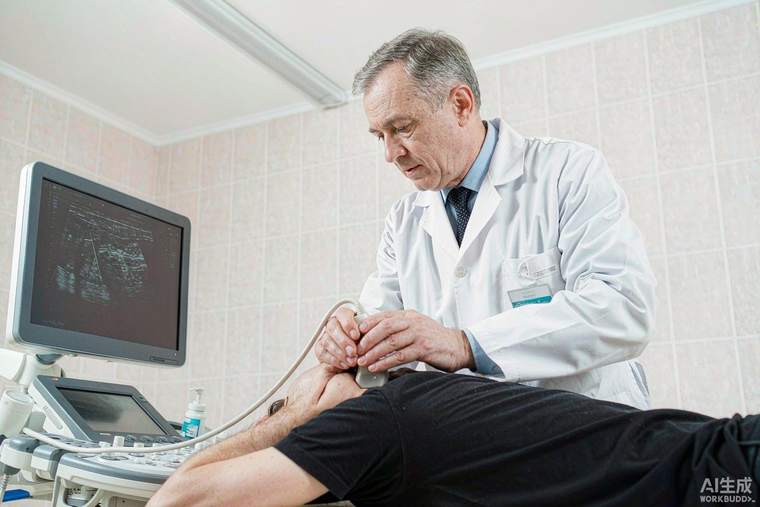
Interventional ultrasound covers everything done with a needle or probe under real-time ultrasound guidance: biopsy, drainage, tumour ablation, nerve block and vascular access. It has grown rapidly because it is accurate, radiation-free and can be done at the bedside. The 2025 Chinese guideline on interventional ultrasound - a revision of the 2018 edition, produced jointly by the Chinese Medical Association and Chinese Medical Doctor Association ultrasound societies using GRADE - sets the standards for how it should be performed.
Equipment and needles
Needle choice follows the task. Fine-needle aspiration uses 21 to 25 gauge needles for cytology and cyst fluid. Core needle biopsy uses 14 to 18 gauge cutting needles when tissue architecture or molecular testing is required. Drainage catheters run 8 to 16 French. Ablation probes and nerve-block needles have their own specifications.
Aseptic technique
Planning the path
Anaesthesia is usually local infiltration with lidocaine, with a defined maximum dose. Where sedation is used, monitoring of heart rate, blood pressure and oxygen saturation, intravenous access and resuscitation equipment are required, and higher-risk patients are managed with anaesthesia support.
Biopsy technique and yield
Core needle biopsy obtains two to four cores of at least 10 mm, and the guideline states that its diagnostic accuracy of roughly 90 to 98 percent is significantly better than FNA, which is why core biopsy is preferred whenever histology, grading or molecular markers are needed.