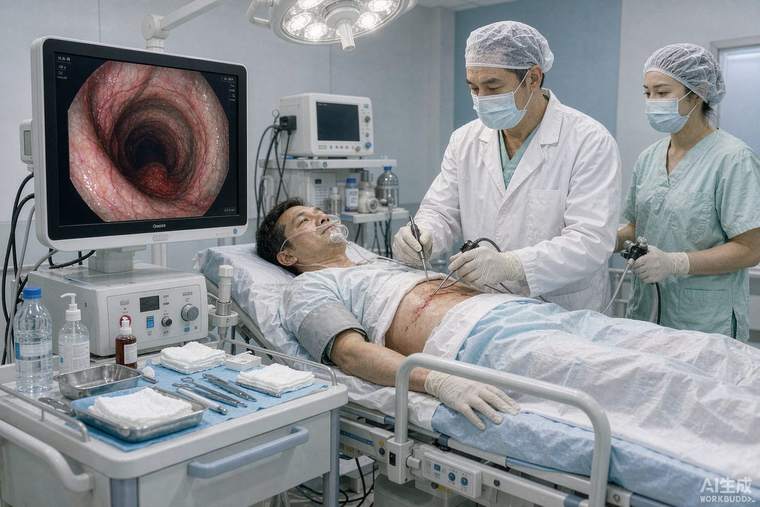
Invasive Pulmonary Fungal Disease: Diagnosis And Treatment
This guide merges Chinese and international guidance on invasive pulmonary fungal disease, covering aspergillosis, cryptococcosis, and candidiasis diagnosis and antifungal strategies.
Understanding The Disease
Invasive pulmonary fungal disease affects mainly immunocompromised patients, with aspergillosis, cryptococcosis, and candidiasis as the leading forms. The lung is the most common target organ, and rates are rising in transplant and cancer care.
Graded Diagnosis
Guidelines use three levels: proven, probable, and possible. Proven needs tissue or sterile-fluid proof. Probable combines host factors, clinical signs, and microbiology. This framework guides, but clinical judgment stays essential.
Aspergillosis Management
For invasive pulmonary aspergillosis, voriconazole is the preferred first treatment. Lipid amphotericin B, isavuconazole, or an echinocandin are alternatives. Therapy usually lasts six to twelve weeks based on response and immune recovery.
Cryptococcosis And Candidiasis
Pulmonary cryptococcosis often needs fluconazole or amphotericin B with flucytosine for severe disease. Candida pneumonia is uncommon; treatment follows susceptibility, using fluconazole or an echinocandin when indicated.
Preventing Infection
High-risk patients may receive preventive antifungals. Reversing immune suppression, such as lowering steroids, and careful monitoring improve outcomes. Avoid unnecessary prolonged antifungal use.