Neurogenic Bladder: Diagnosis, Treatment and Long-Term Follow-Up
When the nervous control of the bladder is damaged, the danger is to the kidneys. This guide explains the two functional patterns, why urodynamics is central, and how intermittent catheterisation protects renal function.
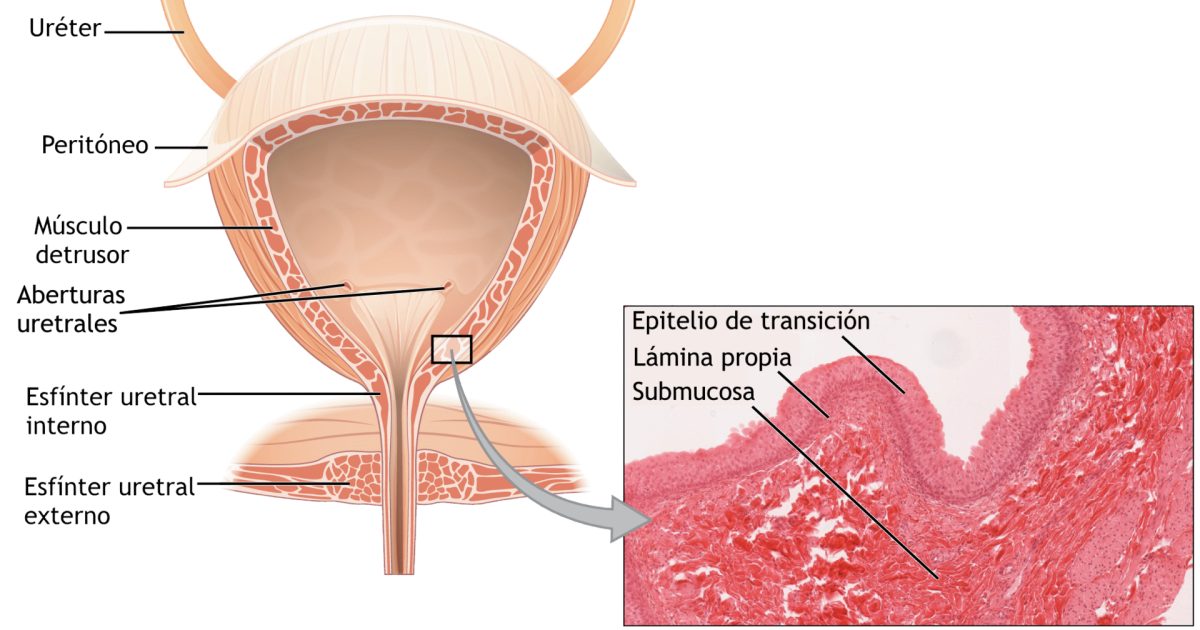
Neurogenic bladder is the umbrella term for bladder and urethral dysfunction caused by disease of the nervous system. It produces lower urinary tract symptoms - frequency, urgency, incontinence, difficulty voiding - but the clinically important consequence is upstream: sustained high bladder pressures or incomplete emptying can damage the upper urinary tract and lead to renal failure.
The guiding principle of management is therefore not symptom relief alone. It is protection of renal function first, and improvement of continence and quality of life second.
Causes
Two functional patterns
Voiding-phase dysfunction covers a detrusor that contracts too weakly - so the patient must strain or cannot void at all - and sphincter dysfunction, which may be spastic and obstruct outflow or incompetent and cause leakage.
Assessment
Examination is both neurological - perineal sensation, anal sphincter tone, lower limb power - and urological, checking for a palpable bladder and urethral abnormality.
Investigations start with urinalysis and culture, and ultrasound for bladder morphology, post-void residual and hydronephrosis. Urodynamics is the key test: cystometry, urethral pressure profilometry and uroflowmetry define exactly what the detrusor and the sphincter are doing, which is what determines safe treatment. Intravenous urography or CT urography evaluates the upper tract and excludes stones or tumours.
Treatment
Medication is matched to the pattern. Antimuscarinics such as tolterodine or solifenacin suppress involuntary detrusor contraction in the overactive bladder. Cholinomimetic agents are used where the detrusor is underactive, though their role is limited.
Rehabilitation includes pelvic floor muscle training to improve continence and bladder training with scheduled drinking and voiding to increase capacity and compliance.
Surgery is reserved for specific situations: augmentation cystoplasty where the bladder is small or poorly compliant; sphincterotomy where sphincter spasm obstructs outflow; and urinary diversion where urethral voiding and intermittent catheterisation are both impossible.