Shingles Pain: China's 2025 Full-Cycle Management Guideline
The 2025 Chinese guideline on shingles-related pain treats the acute phase and chronic nerve pain as one continuous condition, with antivirals inside 72 hours, early nerve blocks, and vaccination as the real prevention.
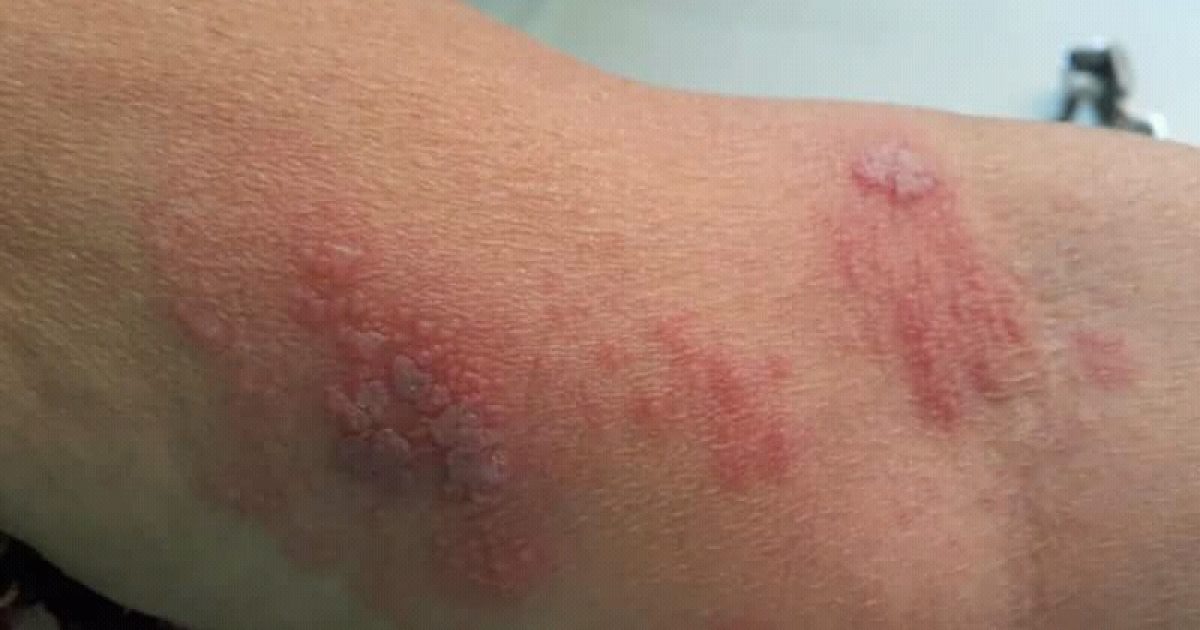
Shingles is the reactivation of the varicella-zoster virus that has been dormant in a sensory nerve ganglion since childhood chickenpox. The rash heals in most people, but the pain can outlast it by months or years - postherpetic neuralgia, or PHN - and that chronic pain is what the 2025 Chinese guideline for full-cycle management of shingles-related pain is designed to prevent.
Why the pain is the problem
The biology explains the urgency. During the acute phase the virus replicates along the sensory nerve, producing inflammation, axonal injury and demyelination. If the pain signalling persists, the spinal cord undergoes central sensitisation - the pain threshold falls and stays down. Once that has happened, treating the skin no longer helps, because the problem has moved into the nervous system.
Presentation
Assessment
Acute treatment
Pain management begins at the same time, not after the rash clears. Calcium channel ligands such as pregabalin or gabapentin are used for the neuropathic component; gabapentin requires titration over weeks to reach an effective dose. Non-steroidal anti-inflammatory drugs help the inflammatory component but should be used for a limited period. A short tapering course of corticosteroids is an option for selected older patients without contraindications.