Takayasu Arteritis: China 2025 Diagnosis And Treatment Guide
Takayasu arteritis is a chronic inflammation of the aorta in young women. The 2025 Chinese guideline stresses early recognition, steroids, immunotherapy, and team-based care.
What Is Takayasu Arteritis
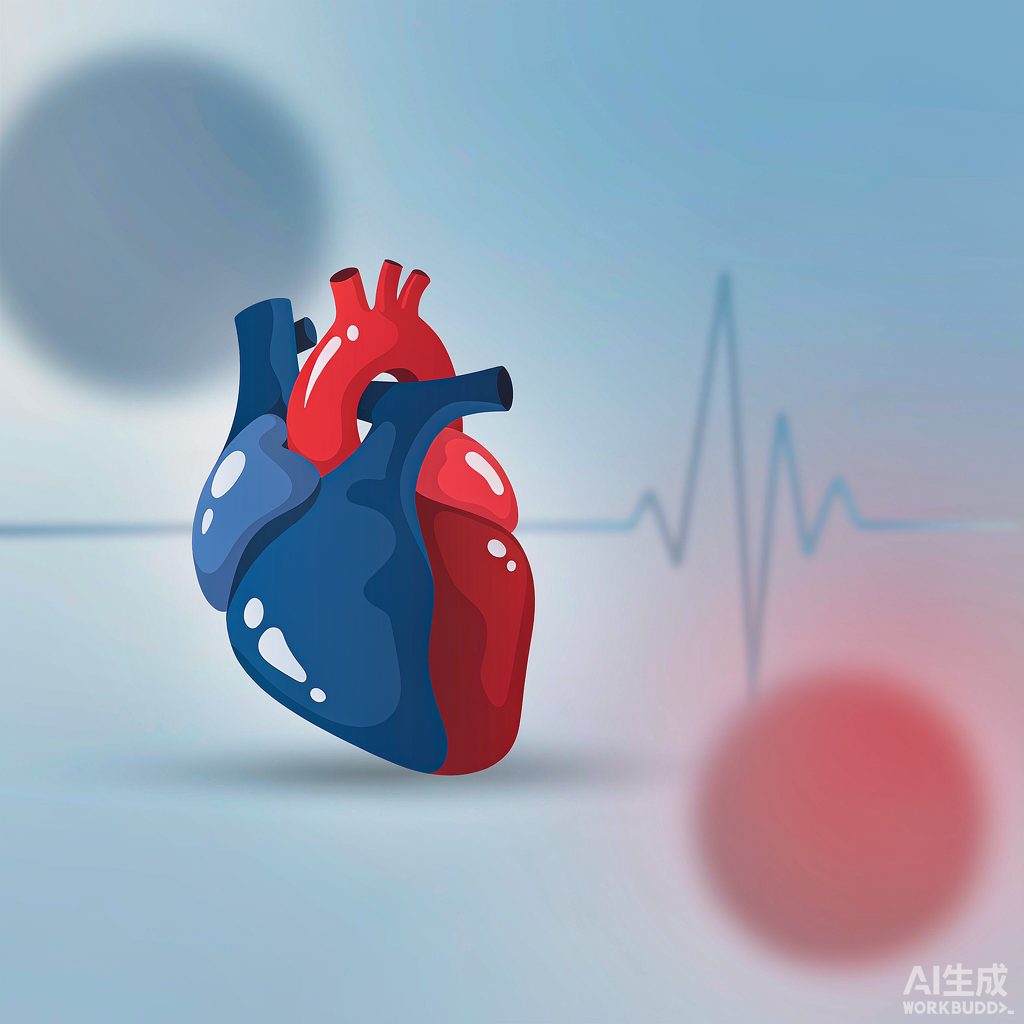
Takayasu arteritis is a chronic inflammation of the aorta and its main branches. It mainly affects young women of Asian descent between 10 and 40 years of age.
The disease can narrow, block, or widen arteries. Early diagnosis and treatment improve the long-term outlook.
Recognizing The Symptoms
Early signs are vague: low fever, fatigue, weight loss over three months, and joint or muscle aches. These are easy to mistake for a simple infection.
Later, reduced blood flow causes arm pulse loss, blood pressure differences, dizziness, or chest and abdominal pain depending on the artery involved.
How It Is Diagnosed
Diagnosis uses clinical findings plus raised inflammation markers such as CRP and ESR. Imaging with CTA, MRA, or PET shows the vessel wall and narrowing.
The 2020 international classification gives a score of 7 or more for diagnosis. A biopsy is rarely needed but can confirm difficult cases.
Medical Treatment
Glucocorticoids such as prednisone are the first-line treatment to control inflammation. Immunosuppressants are added when the response is poor or relapse occurs.
Biologic drugs that block TNF-alpha or IL-6 help severe or resistant disease. Blood pressure is usually targeted below 130 over 80 mmHg.
Procedures And Follow-Up
Stents or bypass surgery may be needed for severe narrowing or aneurysm. These are best done when inflammation is quiet, not during active flares.
Patients need regular checks of inflammation and imaging. A team of rheumatology, cardiology, and vascular specialists gives the best care.