Castleman Disease: NCCN 2025 Guidance
Castleman disease is a rare lymphoproliferation with unicentric and multicentric forms needing tailored, often specialist, therapy.

Overview
Castleman disease is a rare disorder of lymph node tissue with two main forms: unicentric disease, involving a single node region, and multicentric disease, affecting many sites.
Testing for HHV8 and HIV helps classify the disease. Idiopathic multicentric Castleman disease is managed differently from infection-associated forms.
Diagnosis And Workup
Evaluation includes a physical exam, blood counts, inflammatory markers, and protein studies. PET/CT imaging and virology testing are part of the standard workup.
Doctors rule out conditions that mimic the disease, such as POEMS syndrome, lymphoma, and infection, before confirming the diagnosis.
Unicentric Disease
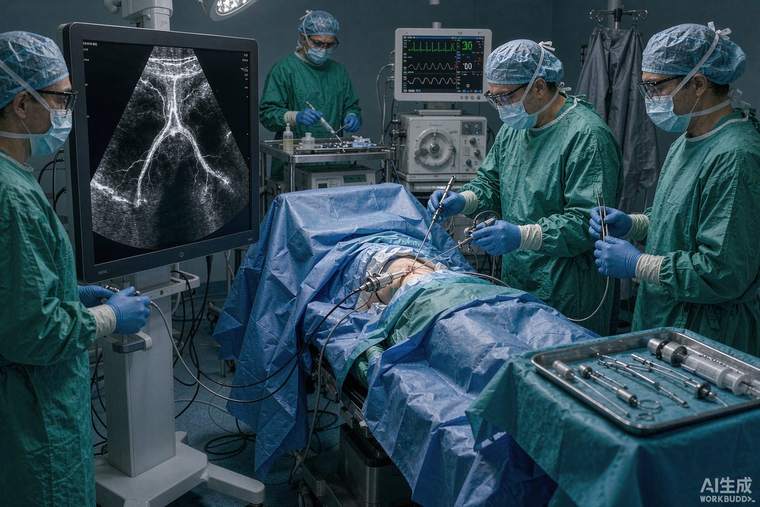
Localized disease is often treated with complete surgical removal, which can be curative. Unresectable cases may be managed with radiation, embolization, or careful observation.
Multicentric Disease
Multicentric disease requires systemic therapy guided by subtype and severity. Specialists consider HHV8, HIV, and organ function when selecting treatment.
Relapsed or refractory cases use alternative regimens, and biopsy is encouraged to exclude transformation to lymphoma.
Prognosis And Support
Outcomes depend on subtype and how the disease responds to therapy. Fertility counseling and supportive care help manage the condition and its treatment effects.