In short
Acute ischemic stroke is ~80% of strokes in China. The 2024 reperfusion guideline expands eligibility for intravenous thrombolysis and mechanical thrombectomy and standardizes fast "green channel" workflows.
What this guide covers: Time is brain · Two main treatments · Faster, broader access · What patients and families should do · In China
Time is brain
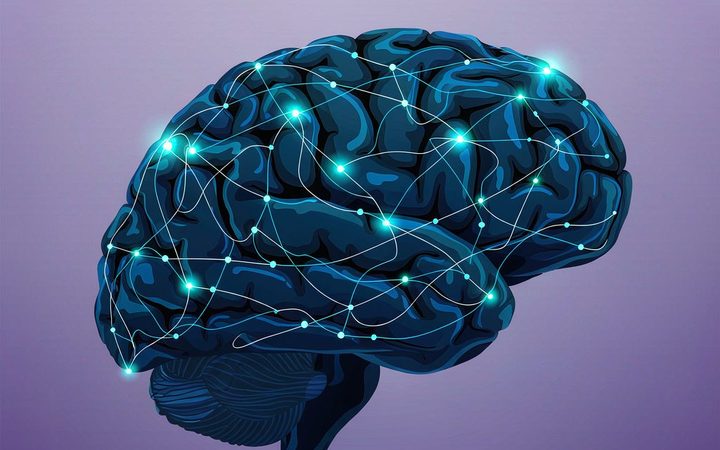
Acute ischemic stroke—about 80% of strokes in China—is caused by a blocked brain artery. Restoring blood flow quickly (reperfusion) is the most effective way to limit disability. China's 2024 reperfusion guideline updates who can be treated.
Two main treatments
Intravenous thrombolysis dissolves the clot through a vein; mechanical thrombectomy physically removes it via a catheter. The guideline expands eligibility based on recent trials and summarizes evidence for different thrombolytic drugs.
Faster, broader access
New screening criteria widen the window for eligible patients. The guideline also provides green-channel flowcharts so hospitals can move from "door to needle/device" as fast as possible.
What patients and families should do
If stroke symptoms appear (face droop, arm weakness, speech trouble), call emergency services immediately and note the time symptoms started—treatment decisions depend on it. Do not wait or self-medicate.
In China
Major stroke centers follow these reperfusion pathways with 24/7 green channels. International visitors should know the local emergency number and head to a comprehensive stroke center.
Sources and further reading
One reference to a U.S. government health source (National Institutes of Health or MedlinePlus) for the medical background of this guide. It is context, not a substitute for advice from your treating doctor.
General information for international patients, not medical advice or a diagnosis. Read the medical disclaimer.