In short
Visitors with long-standing symptoms sometimes add a TCM strand in Beijing. Know what it may support, what a consult looks like, and its boundaries.
What this guide covers: What people bring to it · What a consult involves · Using it safely alongside other care · Who this suits — and who it does not
Medical Tourism · Traditional Medicine · Beijing · Chronic-care strand
What people bring to it
| Concern | How it is typically approached |
|---|---|
| Persistent fatigue or poor sleep | A personalised herbal formula, with acupuncture where suitable. |
| Mild digestive discomfort | Formula adjustment reviewed at follow-up visits. |
| Musculoskeletal tension or low-grade pain | Acupuncture and tuina alongside herbal support. |
| Recovery from illness or procedure | A gentle, supportive course. |
Golden roofs of the Forbidden City
What a consult involves
A practitioner takes the pulse and tongue, reviews sleep, appetite, energy and stress, then proposes a personalised plan — typically herbal formulas and acupuncture. Plans are adjusted at follow-up visits rather than fixed at the first one.
Using it safely alongside other care
Tell every practitioner about the others treatments and list all medications. Some herbs interact with blood thinners and other drugs. Keep herbs in original labelled packaging for customs.
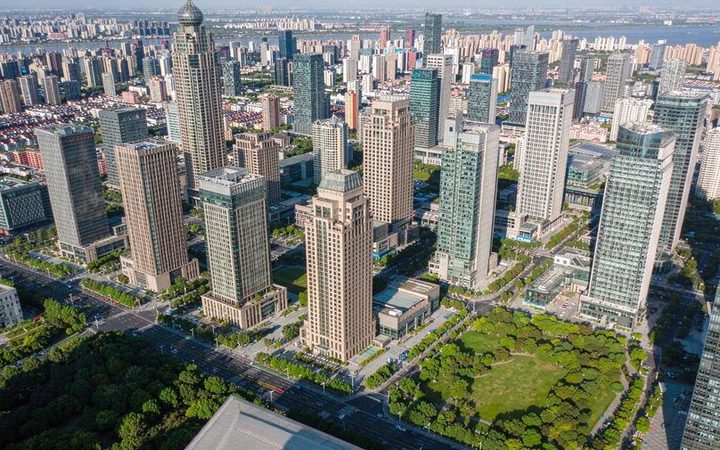
Beijing’s modern skyline
Who this suits — and who it does not
Sources and further reading
One reference to a U.S. government health source (National Institutes of Health or MedlinePlus) for the medical background of this guide. It is context, not a substitute for advice from your treating doctor.
General information for international patients, not medical advice or a diagnosis. Read the medical disclaimer.