In short
Cerebral amyloid angiopathy (CAA) is an age-related small-vessel disease and the leading cause of spontaneous lobar brain hemorrhage in older adults. The 2023 China consensus gives 14 evidence-based recommendations on diagnosis, prevention, and management.
What this guide covers: What is CAA? · Diagnosis · Clinical features · Management · For patients and families
What is CAA?
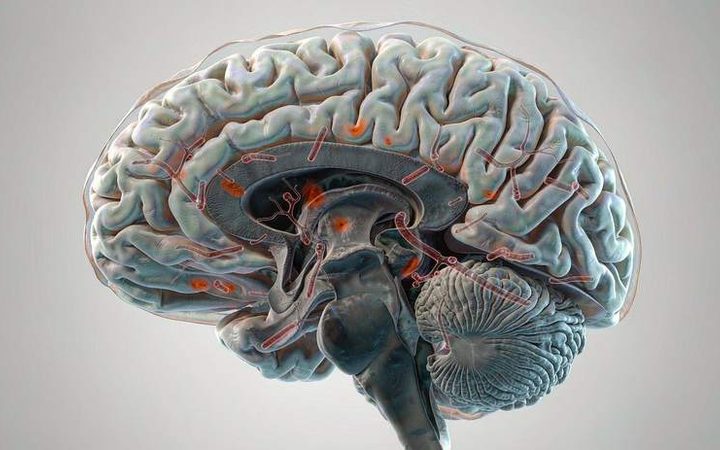
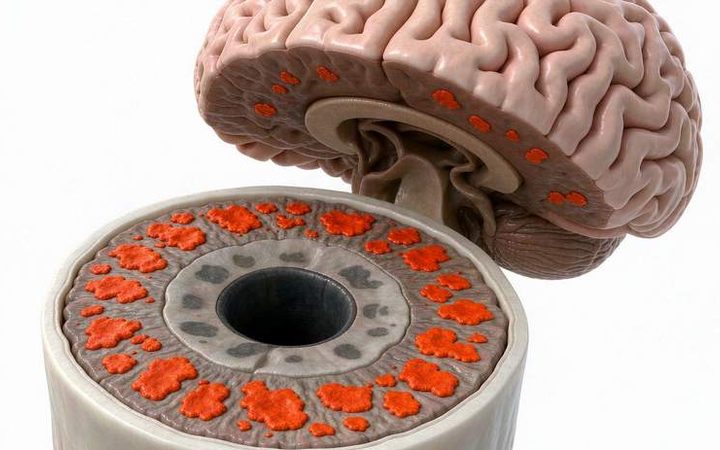
Cerebral amyloid angiopathy (CAA) is an age-related small-vessel disease where β-amyloid builds up in the walls of small brain arteries. It is the leading cause of spontaneous lobar brain hemorrhage in older adults and contributes to age-related cognitive decline.
Diagnosis
CAA is diagnosed using the Boston criteria, which combine clinical, imaging, and (when available) pathological features. The 2023 China consensus gives 14 evidence-based recommendations on diagnosis, prevention, and management.
Clinical features
Beyond lobar hemorrhage, CAA can present as transient focal neurological episodes (TFNE) and, rarely, CAA-related inflammation. Cognitive changes may occur.
Management
There is no cure; care focuses on preventing recurrent bleeding (e.g., careful blood-pressure control, avoiding drugs that impair clotting), seizure management, and supportive cognitive care. The consensus clarifies practical, evidence-based steps for Chinese neurologists.
For patients and families
If an older relative has recurrent lobar brain bleeds, ask about CAA evaluation. Blood-thinner decisions should be made carefully with a neurologist familiar with the condition.
Sources and further reading
One reference to a U.S. government health source (National Institutes of Health or MedlinePlus) for the medical background of this guide. It is context, not a substitute for advice from your treating doctor.
General information for international patients, not medical advice or a diagnosis. Read the medical disclaimer.