In short
Hematopoietic cell transplantation replaces diseased blood stem cells and requires careful selection, conditioning, and management of graft-versus-host disease.
What this guide covers: Overview · Before · Graft-Versus-Host · Supportive
Overview
Hematopoietic cell transplantation (HCT) replaces a patient's blood-forming cells using stem cells from a donor or the patient. It is used for many blood cancers and disorders. The decision to transplant depends on the specific disease, its risk features, and the patient's overall fitness.
Before
Transplant Candidates undergo a thorough medical evaluation to confirm suitability. Stem cells are collected from the patient or a matched donor through mobilization and collection. Conditioning therapy prepares the body by reducing disease before the infusion of new stem cells.
Graft-Versus-Host
Disease GVHD occurs when donor cells attack the recipient's tissues. Acute and chronic forms affect skin, gut, and liver and are graded by severity. First-line care often uses steroids, with additional agents for cases that do not respond. Close monitoring guides adjustments.
Supportive
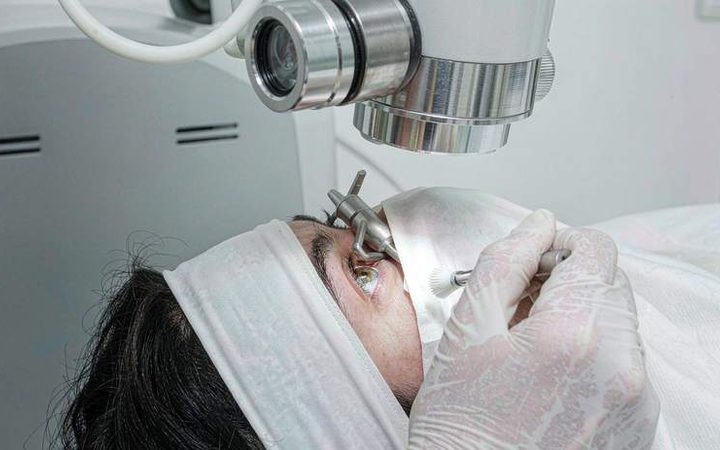
Care Surveillance for infection, especially CMV, is essential after transplant. Bone health, nutrition, and regular dental, skin, and eye checks support recovery.
Sources and further reading
One reference to a U.S. government health source (National Institutes of Health or MedlinePlus) for the medical background of this guide. It is context, not a substitute for advice from your treating doctor.
General information for international patients, not medical advice or a diagnosis. Read the medical disclaimer.