In short
Covert hepatic encephalopathy affects up to half of cirrhosis patients and is missed without testing. The 2024 guideline explains the ammonia and inflammation mechanisms, the SONIC grading, and treatment and prevention.
What this guide covers: How common it is · Mechanisms · Recognising it · Treatment · Prevention
Hepatic encephalopathy is brain dysfunction caused by liver insufficiency and portosystemic shunting. It ranges from changes detectable only on neuropsychological testing to deep coma, and it is an independent predictor of death in cirrhosis. The 2024 revision of the Chinese guideline on hepatic encephalopathy in cirrhosis updates the 2018 version and covers epidemiology, mechanisms, diagnosis, treatment and both primary and secondary prevention.
How common it is
Minimal hepatic encephalopathy — MHE — is very common, with reported prevalence across the course of cirrhosis ranging from 30 to 84 percent depending on the test used. Overt hepatic encephalopathy occurs in 30 to 45 percent of cirrhosis patients and in 10 to 50 percent of patients after transjugular intrahepatic portosystemic shunt. Importantly, MHE is present in about a quarter of patients with well-compensated Child-Pugh A disease, so normal routine examination does not exclude it.
In China the underlying causes remain dominated by hepatitis B cirrhosis, with alcoholic, drug-induced and autoimmune liver disease — particularly primary biliary cholangitis — and metabolic fatty liver disease making up a growing share.
Mechanisms
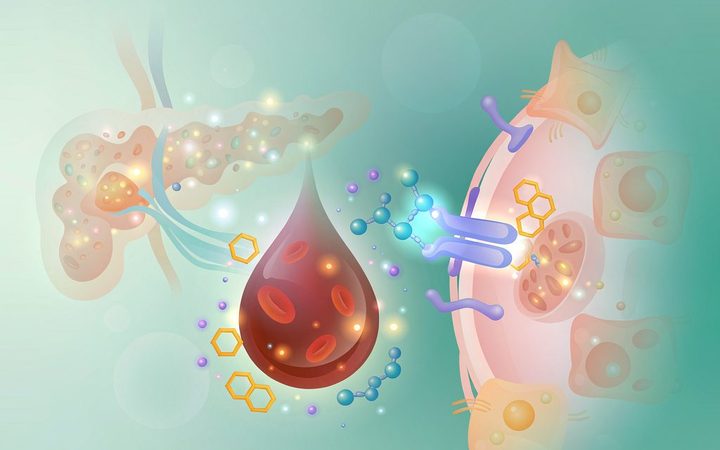
The ammonia hypothesis remains central. Protein is broken down by gut bacteria to ammonia; gut wall permeability and liver failure reduce clearance; and portosystemic shunting delivers ammonia into the systemic circulation. In the brain, ammonia drives astrocyte glutamine synthesis, producing cell swelling and dysfunction, and distorts the balance of excitatory and inhibitory neurotransmitters.
Inflammation acts synergistically. Inflammatory cytokines increase blood-brain barrier permeability, allowing ammonia and other toxins into the brain, while hyperammonaemia impairs neutrophil function and promotes oxidative stress — a self-reinforcing loop. Infection, especially spontaneous bacterial peritonitis, is a major driver.
Other mechanisms include aromatic amino acid imbalance with false neurotransmitters, increased GABAergic tone — which is why benzodiazepines precipitate encephalopathy and flumazenil can reverse it — manganese deposition and brainstem reticular dysfunction.
Recognising it
The West-Haven classification grades HE from 0 to 4, but grades 0 and 1 are subjective and hard to reproduce. MHE means abnormal neuropsychological testing with normal clinical examination and no asterixis. The ISHEN SONIC framework combines MHE and West-Haven 0 to 1 as covert HE, with overt HE corresponding to grades 2 to 4.
The guideline also frames HE within the course of decompensation: covert HE is a subclinical decompensation, overt HE is a first decompensation, recurrent HE is progressive decompensation, and recompensation is possible when the cause is controlled and HE has not recurred for more than twelve months after stopping therapy.
Treatment
Management has four parts: identify and treat precipitating factors, reduce ammonia production and absorption, correct amino acid imbalance, and support the patient.
Precipitants matter more than anything else. Infection, gastrointestinal bleeding, electrolyte and acid-base disturbance, large-volume paracentesis, excessive protein intake, hypovolaemia, diuretics, diarrhoea, vomiting, constipation, and sedatives — particularly benzodiazepines — all precipitate episodes. Proton pump inhibitors are associated with increased risk through small bowel bacterial overgrowth.
Standard pharmacological treatment is lactulose or lactitol to acidify the colon and promote ammonia excretion, with rifaximin added or substituted, particularly for prevention of recurrence. L-ornithine-L-aspartate and branched-chain amino acids have roles in specific situations.
Prevention
Primary prevention addresses the precipitants: treat infection early, manage constipation, avoid unnecessary sedatives and proton pump inhibitors, and consider the encephalopathy risk when planning a shunt — the guideline notes that selecting the left portal vein branch reduces HE risk after TIPS.
Secondary prevention after an overt episode uses continuing lactulose with or without rifaximin, with nutritional support and avoidance of protein restriction, since malnutrition in cirrhosis is itself harmful.
Why testing matters
Because covert HE is invisible on routine examination but affects driving, work performance and the risk of progression to overt episodes, the guideline supports formal testing in patients with cirrhosis rather than waiting for a clinical episode.
Sources and further reading
One reference to a U.S. government health source (National Institutes of Health or MedlinePlus) for the medical background of this guide. It is context, not a substitute for advice from your treating doctor.
General information for international patients, not medical advice or a diagnosis. Read the medical disclaimer.