In short
The 2020 KDIGO guideline advises integrated care for CKD with diabetes, favoring SGLT2 inhibitors and metformin plus lifestyle and blood-pressure control to protect kidneys and heart.
What this guide covers: What · Blood · Glucose · Lifestyle · Glucose-Lowering
What
Is CKD With Diabetes CKD with diabetes means chronic kidney disease in people who also have diabetes. This combination raises the risk of kidney failure and heart disease. The 2020 KDIGO guideline gives evidence-based advice for care.
Blood
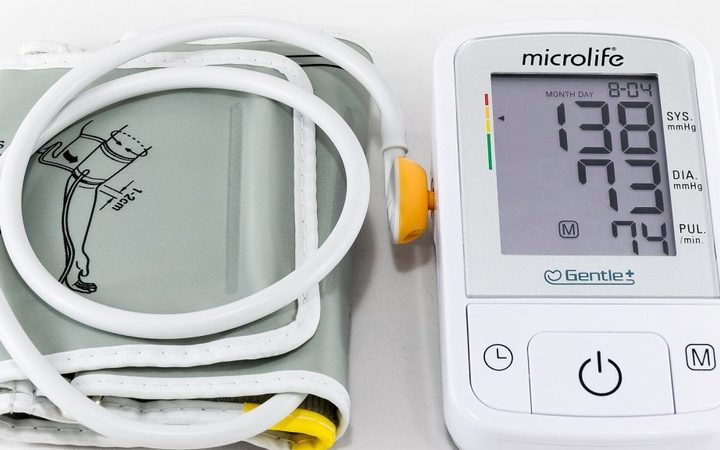
Pressure And Proteinuria People with diabetes, high blood pressure, and protein in the urine should start an ACE inhibitor or ARB. The dose is raised to the highest tolerated level. Doctors monitor potassium and creatinine during treatment.
Glucose
Monitoring And Targets HbA1c is the main test used to track blood sugar control. Targets are individualized and usually range from below 6.5% to below 8%. The right goal depends on the patient's health and risk of lows.
Lifestyle
And Diet A healthy diet is rich in vegetables, fruit, whole grains, and plant protein. Protein intake is about 0.8 g per kg of body weight per day. Sodium is kept below 2 g daily, and exercise is at least 150 minutes weekly.
Glucose-Lowering
Therapy Metformin plus an SGLT2 inhibitor is the first-line choice when kidney function allows. If targets are not met, a GLP-1 receptor agonist may be added. These medicines help protect the kidneys and heart.
Self-Management
And Support Structured education helps patients manage their condition day to day. A team-based approach supports risk assessment and shared decisions. Quitting smoking is strongly advised for all patients.
Sources and further reading
One reference to a U.S. government health source (National Institutes of Health or MedlinePlus) for the medical background of this guide. It is context, not a substitute for advice from your treating doctor.
General information for international patients, not medical advice or a diagnosis. Read the medical disclaimer.