In short
The 2025 guideline outlines that swelling after limb injury comes from inflammation and impaired flow, and is best managed with elevation, movement, and compression.
What this guide covers: Why · Assess and · Early · Physical · Medication and
Why
Swelling Happens Limb trauma from falls, fractures, or surgery disrupts vessels and triggers inflammation. Reduced movement slows blood and lymph return, allowing fluid to collect in tissues.
Assess and
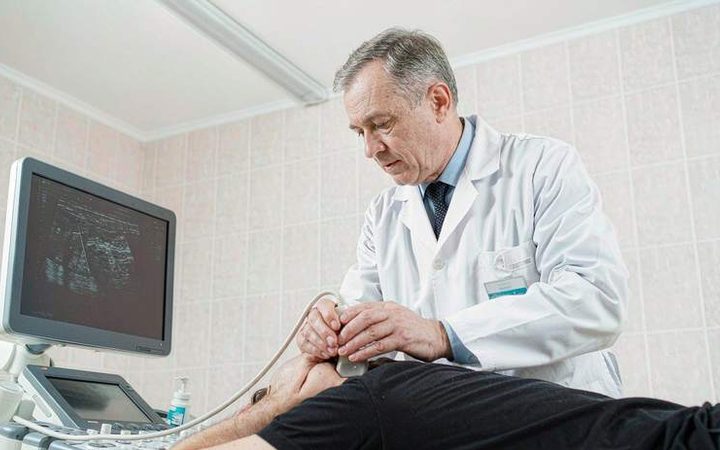
Differentiate Clinicians check the cause, severity, and circulation. They rule out serious problems such as deep vein thrombosis, which needs urgent care. Pain, color, and pulse are reviewed.
Early
Measures Elevation above heart level, gentle movement as allowed, and cold application in early days reduce swelling. Avoid prolonged immobility that worsens fluid pooling and stiffness.
Physical
Approaches Compression and graded exercise support drainage and recovery. Therapists guide safe activity to protect healing bone and soft tissue while restoring function.
Medication and
Caution Anti-inflammatory and symptomatic drugs may be used under medical advice. Do not self-adjust doses. Treat the underlying injury, not just the swelling, for best results.
Recovery and
Follow-up Swelling should slowly lessen as healing proceeds. Persistent or worsening swelling, redness, or pain warrants review. Rehabilitation helps prevent joint stiffness and muscle loss.
Sources and further reading
One reference to a U.S. government health source (National Institutes of Health or MedlinePlus) for the medical background of this guide. It is context, not a substitute for advice from your treating doctor.
General information for international patients, not medical advice or a diagnosis. Read the medical disclaimer.