In short
Beijing combines a thorough screen with imperial sights. Learn the medical-first itinerary, what a screen includes, and how pricing stays transparent.
What this guide covers: Why screen first, then sightsee · What a screening programme includes · The route at a glance · Before you fly: the countdown · What it costs — the honest version
Medical Tourism · Itinerary No. 02 · Beijing · 6 days / 5 nights
Why screen first, then sightsee
You fast on the screening morning and receive an English explanation of the results a day or two later. Only then do you visit the Forbidden City, the Great Wall or the Summer Palace. If a result needs review, you are still in the city.
Beijing’s modern skyline
What a screening programme includes
| Component | What it covers |
|---|---|
| Blood panels | Complete count, metabolic and lipid profile, thyroid, agreed tumour markers. |
| Cardiac and chest | Resting ECG and chest imaging. |
| Abdominal imaging | Abdominal ultrasound as the standard base. |
| Optional add-ons | Coronary CT, PET-CT, capsule endoscopy, sleep studies — priced separately and confirmed in writing. |
The route at a glance
| Day | Base | Medical | Travel | Overnight |
|---|---|---|---|---|
| Day 1 | Beijing | Intake and preparation briefing | Arrival, rest | Beijing |
| Day 2 | Beijing | Screening day (fasting) | - | Beijing |
| Day 3 | Beijing | English report interpretation | Evening in the city | Beijing |
| Day 4 | Beijing | - | Forbidden City and a heritage site | Beijing |
| Day 5 | Beijing | - | Great Wall or Summer Palace | Beijing |
| Day 6 | Beijing | Final report handover | Departure | - |
Day 1 — Arrival and preparation
| What happens | |
|---|---|
| Arrival | Land at PEK or PKX; driver meets you inside the arrivals hall after customs, flight tracked. Companion rides in with you. |
| Afternoon | Intake conversation; consent explained in English; fasting instructions in writing. |
| Evening | Rest; fasting from midnight. Companion confirms day 2 pick-up. |
Day 2 — Screening day
| What happens | |
|---|---|
| Morning (fasting) | Blood panels, ultrasound, ECG, chest imaging; companion handles registration, payment and queue order. |
| Afternoon | MRI or coronary CTA as agreed; PET-CT booked ahead if included. |
| Note | Bring previous imaging discs, medication list, and any aids you use. |
Day 3 and beyond — results, then the city
| What happens | |
|---|---|
| Day 3 | English report consultation; written summary. Evening heritage stroll. |
| Day 4-5 | Forbidden City, Great Wall or Summer Palace with your companion handling tickets and pacing. |
| Day 6 | Final report handover and airport drop-off; companion stays until check-in. |
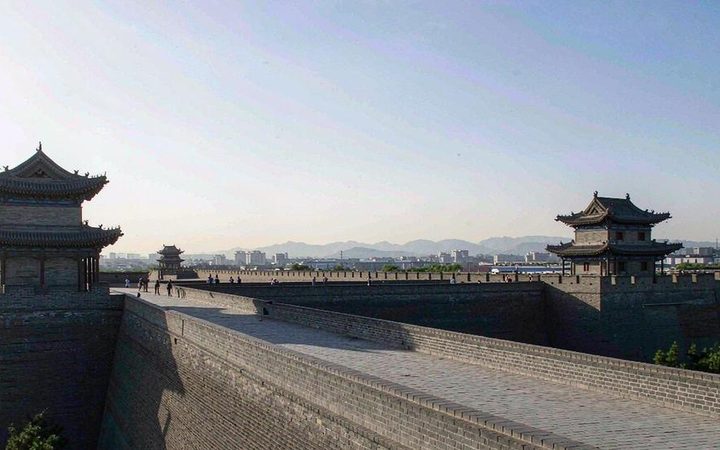
The Great Wall over the northern ridges
Before you fly: the countdown
| When | What |
|---|---|
| 8 weeks out | Confirm visa route; book PET-CT slot if included. |
| 2 weeks out | Send previous imaging; tell us about blood thinners. |
| 3 days out | No alcohol; light meals; send flight details. |
| Pack | Passport, imaging discs, medication list, insurance card, comfortable shoes. |
What it costs — the honest version
IMedCompanion does not publish prices, because published package prices in this industry are rarely what anyone actually pays. After your intake you receive a written, itemised estimate covering everything we charge — companion, vehicle, accommodation and service fee — with validity dates and what is excluded. Alongside it we give you the hospital's expected range for each item, so you can see the whole picture before you commit.
| Line | How it is charged | Billed by |
|---|---|---|
| Companion | Per day. The same rate on a hospital day as on a travel day — one person, all days. | IMedCompanion |
| Vehicle and driver | Per day. Covers airport runs at both ends and in-city transfers. | IMedCompanion |
| Accommodation | Per night. | IMedCompanion |
| Service fee | Quoted as a portion of the total above — coordination, scheduling and paperwork. | IMedCompanion |
| Medical care | Priced individually by the hospital: each test, each imaging slot, each consultation. | The hospital, directly |
You pay the hospital at the hospital's rates and receive the hospital's own itemised receipt. We tell you in advance what each item typically runs to, so you can sanity-check the figure — but the transaction is between you and the provider. Intercity legs run on high-speed rail, charged at cost, with your companion travelling with you on every leg.
Who this suits — and who it does not
Sources and further reading
One reference to a U.S. government health source (National Institutes of Health or MedlinePlus) for the medical background of this guide. It is context, not a substitute for advice from your treating doctor.
General information for international patients, not medical advice or a diagnosis. Read the medical disclaimer.