In short
Polycythemia vera is a blood disorder causing excess red cells and clot risk, managed by phlebotomy, aspirin, and cytoreductive therapy when needed.
What this guide covers: Overview · Symptoms · Diagnosis · Treatment
Overview
Polycythemia vera (PV) is a chronic blood disorder in which the marrow makes too many red blood cells. It belongs to a group of diseases called myeloproliferative neoplasms. Most cases carry a JAK2 gene mutation. Without treatment, PV can lead to clotting, bleeding, and, rarely, progression to scarring or leukemia.
Symptoms
And Risks Common signs include headache, itching after a warm bath, redness, and an enlarged spleen. The greatest danger is blood clots in arteries or veins. Risk of clotting rises with age over 60 or any prior clot. Controlling reversible risks such as smoking and blood pressure is essential.
Diagnosis
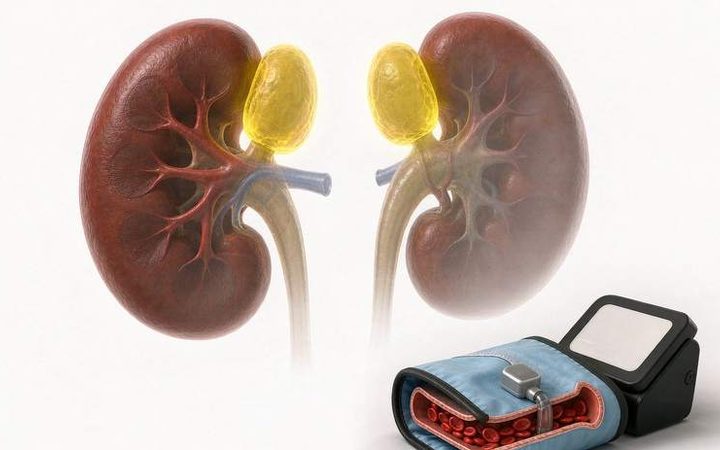
Diagnosis uses blood counts showing high hemoglobin or hematocrit, a bone marrow exam, and JAK2 mutation testing. Low blood erythropoietin supports the finding. Doctors first exclude secondary causes such as low oxygen, kidney tumors, or dehydration before confirming PV.
Treatment
Goals The main aim is preventing clots and controlling symptoms while keeping hematocrit below 45%. Most patients take low-dose aspirin and undergo phlebotomy. Higher-risk patients may need medicine to lower blood cell production. Regular monitoring every few months tracks response and safety.
Sources and further reading
One reference to a U.S. government health source (National Institutes of Health or MedlinePlus) for the medical background of this guide. It is context, not a substitute for advice from your treating doctor.
General information for international patients, not medical advice or a diagnosis. Read the medical disclaimer.