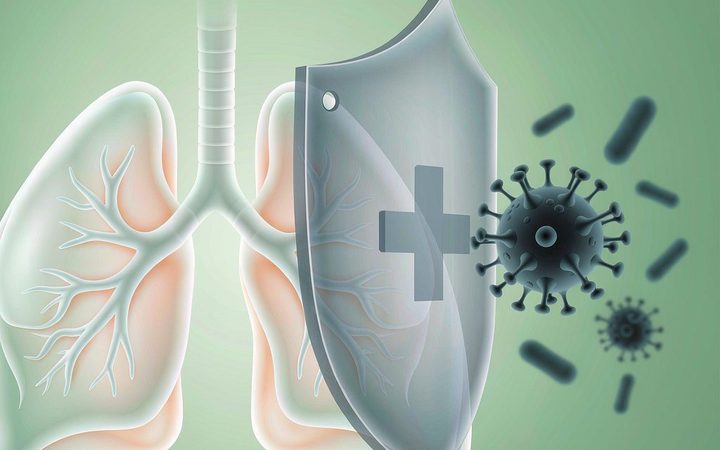
In short
Pulmonary fungal disease spans aspergillosis, cryptococcosis, and candidiasis; a structured diagnosis and targeted antifungals are key to better outcomes.
What this guide covers: Scope · Graded · Key · Treatment · Prevention
Scope
Of Disease Pulmonary fungal disease includes several infections, with Aspergillus, Cryptococcus, and Candida as the main culprits. It chiefly threatens people with weak immunity, but occasionally affects apparently healthy hosts.
Graded
Diagnosis Experts favor three tiers: proven, probable, and possible. Proven requires tissue or sterile-fluid evidence. Probable adds host risk, clinical signs, and mycology. This helps standardize care while allowing clinical judgment.
Key
Investigations Chest CT, sputum and bronchoscopy fluid culture, and blood tests such as galactomannan, beta-D-glucan, and cryptococcal antigen guide diagnosis. Tissue biopsy remains definitive when doubt persists.
Treatment
Principles Voriconazole leads for invasive aspergillosis; fluconazole or amphotericin B with flucytosine treats cryptococcosis; candidiasis follows susceptibility. Courses often last weeks and end only after clinical and imaging improvement.
Prevention
And Follow Up High-risk patients may receive preventive antifungals. Reducing immune suppression and monitoring response are vital. Unnecessary or prolonged antifungal use should be avoided to limit toxicity and resistance.
Sources and further reading
One reference to a U.S. government health source (National Institutes of Health or MedlinePlus) for the medical background of this guide. It is context, not a substitute for advice from your treating doctor.
General information for international patients, not medical advice or a diagnosis. Read the medical disclaimer.